
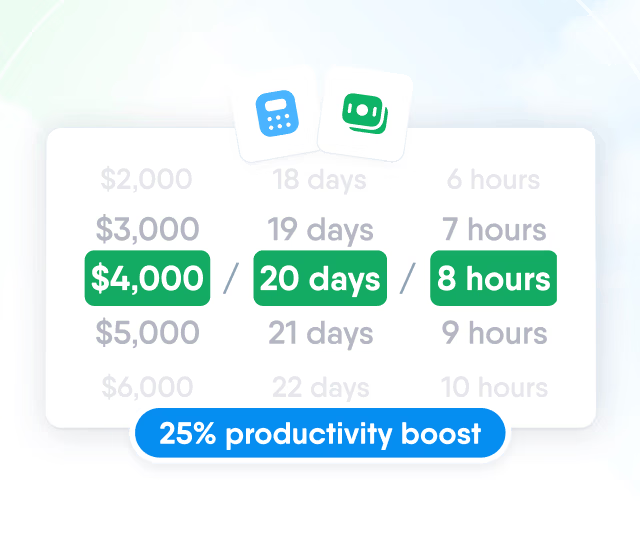
HR efficiency estimator
How does the HR efficiency estimator from PeopleForce work.
Calculate your impact



Hybrid workplace organization
What is hybrid workplace organization?
Hybrid workplace organization is a strategic operational model where employees divide their working hours between a centralized office and a remote location, typically their home. From an Human Resources (HR) perspective, this isn't just a scheduling preference; it is a fundamental shift in the Employee Value Proposition (EVP) that requires a total redesign of traditional management frameworks.
Core Pillars of the Hybrid Model
- Policy Flexibility and Standardization: HR must move away from "one-size-fits-all" contracts. This involves creating "Hybrid Work Agreements" that define expected core hours, "anchor days" (when everyone is in the office), and the eligibility criteria for different roles based on their functional requirements.
- The Reimagined Office Space: Under HR guidance, the physical office transitions from a place of individual task execution to a "collaboration hub." Space is prioritized for cross-functional meetings, social bonding, and workshops, while quiet "deep work" is encouraged to happen at home.
Strategic HR Challenges
1. Proximity Bias and Equity One of the most significant risks HR faces in a hybrid setup is proximity bias—the unconscious tendency of managers to favor and promote employees they see physically every day. HR experts mitigate this by implementing output-based performance metrics rather than "presenteeism" or hours logged.
2. Cultural Cohesion in a Distributed Environment Maintaining a unified company culture is harder when the "watercooler effect" is diminished. HR must intentionally design "Digital Rituals" and inclusive communication strategies to ensure remote employees don't feel like second-class citizens or "contractors" to the main office group.
Operational Imperatives
- Asynchronous Communication: HR must train leadership to shift from synchronous (immediate response) to asynchronous communication. This reduces "Zoom fatigue" and allows employees to manage their workflows more autonomously across different environments.
- Infrastructure and Digital Parity: HR collaborates with IT to ensure "Digital Parity," meaning the experience of attending a meeting is identical for someone in the room and someone on a screen. This prevents the "them vs. us" dynamic in hybrid meetings.
- Well-being and Boundaries: Because the line between home and work blurs in a hybrid model, HR's role involves setting "Right to Disconnect" guidelines to prevent burnout and ensure that flexibility doesn't turn into a 24/7 work cycle.
The Shift to "Trust-Based" Leadership
Ultimately, for HR, the hybrid model marks the death of micro-management. It requires a transition toward Management by Objectives (MBO). Success is measured by the quality and impact of the work delivered, regardless of where the desk is located or what time the login occurred. This demands a high-trust environment where the HR department acts as the architect of both the physical and digital employee experience.


Let us show you what's possible
From Core HR to advanced workforce analytics — see the platform saving 80 hours a month for teams just like yours. Fully tailored to your workflow.