
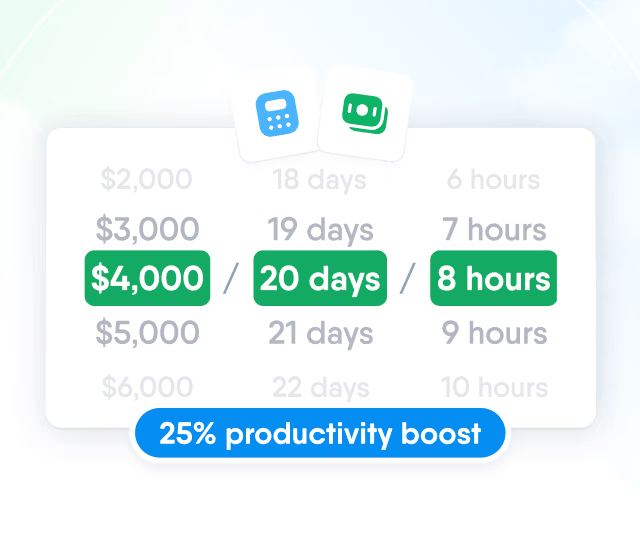
HR efficiency estimator
How does the HR efficiency estimator from PeopleForce work.
Calculate your impact



Vacancy rate
What is vacancy rate?
Vacancy rate is a critical human resources metric that measures the percentage of unoccupied positions within an organization relative to the total number of available roles. From an HR perspective, it serves as a barometer for organizational health, recruitment efficiency, and potential operational strain.
The Calculation
To determine the vacancy rate, HR professionals use a straightforward ratio. It is calculated by dividing the number of open positions by the total number of positions (both filled and vacant) within the company or a specific department, then multiplying by 100.
Strategic Implications
An HR expert views a vacancy rate not just as a number, but as a diagnostic tool for several key areas:
- Recruitment Performance: A persistently high vacancy rate often indicates bottlenecks in the hiring funnel, such as overly stringent requirements, uncompetitive compensation, or a weak employer brand.
- Operational Risk: When positions remain unfilled for extended periods, the "burnout factor" increases for remaining staff. High vacancy rates usually correlate with decreased productivity and lower employee morale.
- Market Competitiveness: If the vacancy rate is significantly higher than the industry average, it suggests that competitors may be offering better benefits, culture, or career progression.
- Financial Impact: Every vacant role carries an "opportunity cost." HR must balance the savings from unpaid salaries against the loss of revenue or service quality caused by the empty seat.
Finding the "Sweet Spot"
While it might seem that a 0% vacancy rate is the goal, that is rarely the case in a healthy organization. A zero-percent rate can suggest stagnation or a lack of growth. Conversely, a rate that is too high (typically above 10% in many industries) signals a crisis in retention or acquisition.
The ideal vacancy rate is usually low enough to ensure operational stability but high enough to allow for fresh talent infusion and natural organizational evolution.
Factors Influencing the Rate
- Seasonality: Many industries experience "hiring surges" at specific times of the year.
- Industry Standards: High-turnover industries, like retail or hospitality, naturally carry higher average vacancy rates than specialized fields like aerospace engineering.
- Economic Climate: In a "candidate’s market," vacancy rates tend to climb as employees have more leverage to leave for better opportunities.
Understanding your vacancy rate allows HR to shift from a reactive state (filling holes as they appear) to a proactive talent strategy (building pipelines before the need becomes critical).


Let us show you what's possible
From Core HR to advanced workforce analytics — see the platform saving 80 hours a month for teams just like yours. Fully tailored to your workflow.