
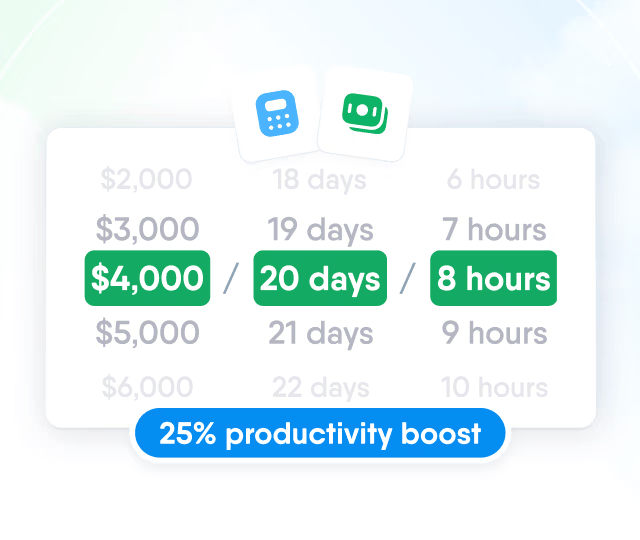
HR efficiency estimator
How does the HR efficiency estimator from PeopleForce work.
Calculate your impact



Direct reports
What is direct reports?
Direct report is a term used to describe an employee who is positioned directly below another individual within the organizational hierarchy. In an HR context, this relationship defines the primary line of accountability, communication, and performance management between a subordinate and their immediate supervisor.
The Structural Dynamic
In any standard organizational chart, a direct report is the person linked by a solid vertical line to the manager above them. This connection signifies that the manager has formal authority over the employee’s work assignments and professional conduct.
- Span of Control: This refers to the number of direct reports a single manager oversees. HR professionals monitor this metric to ensure managers aren't overwhelmed and that employees receive adequate guidance.
- The Chain of Command: Direct reports represent the first link in the upward flow of information. If an employee has a grievance or a suggestion, the direct report/manager relationship is the standard protocol for escalation.
Key Managerial Responsibilities
From an HR perspective, having a direct report involves several specific legal and operational duties:
- Performance Evaluation: The manager is responsible for conducting annual reviews, setting Key Performance Indicators (KPIs), and providing the "paper trail" necessary for promotions or disciplinary actions.
- Administrative Oversight: This includes approving time-off requests, verifying hours worked, and ensuring the employee adheres to company policies and compliance standards.
- Professional Development: A manager acts as the primary coach for their direct report, identifying skill gaps and facilitating training opportunities.
The "Dotted Line" Distinction
It is important to distinguish a direct report from a functional report (often called a "dotted line" relationship). While a direct report looks to one person for their paycheck, performance rating, and daily tasks, they may occasionally work under a different project lead in a matrix organization. However, the HR "owner" of the employee remains the direct supervisor.
Impact on Organizational Health
HR departments track the quality of the relationship between managers and their direct reports because it is the single greatest predictor of employee retention. When this relationship fails, it often leads to "voluntary turnover," where the employee leaves the company specifically to exit the supervision of that manager.
Conversely, a strong direct report alignment ensures that high-level company goals are translated into actionable daily tasks, maintaining alignment between executive strategy and ground-level execution.


Let us show you what's possible
From Core HR to advanced workforce analytics — see the platform saving 80 hours a month for teams just like yours. Fully tailored to your workflow.