
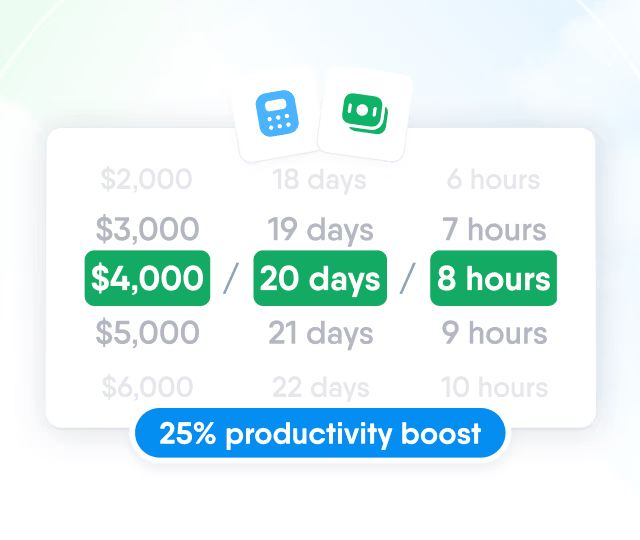
HR efficiency estimator
How does the HR efficiency estimator from PeopleForce work.
Calculate your impact



Disciplinary procedures
What is disciplinary procedures?
Disciplinary procedures are the formal frameworks established by organizations to address and correct employee behavior or performance that falls below required standards. From an HR perspective, these are not merely "punishment" protocols but are essential risk-management and developmental tools designed to ensure fairness, maintain workplace harmony, and protect the company from legal liability.
Core Principles of HR Discipline
Effective disciplinary procedures are built on the foundation of Natural Justice. HR professionals prioritize a process that is transparent, documented, and consistently applied to avoid claims of discrimination or unfair dismissal.
- Transparency: Employees must be aware of the rules they are expected to follow, typically through a Code of Conduct or Employee Handbook.
- Consistency: Similar infractions should result in similar consequences, regardless of the employee's tenure or position.
- The Right to Be Heard: Before any final decision is made, the employee must be given the opportunity to present their side of the story.
The Progressive Disciplinary Model
Most HR departments utilize a Progressive Disciplinary Model. This approach scales the severity of the intervention to match the frequency or gravity of the offense.
1. Informal Coaching and Counseling
Before a formal procedure begins, HR often encourages managers to have "quiet chats." This is a proactive step to resolve minor issues—like occasional lateness or small errors—without creating a permanent mark on the employee's record.
2. Formal Verbal Warning
When informal methods fail, the formal process begins. This warning is documented in the personnel file, though it usually "expires" after a set period (e.g., six months) if no further issues occur.
3. Written Warnings
If the behavior persists or the initial offense is significant, a written warning is issued. This document outlines the nature of the problem, the required improvement, the timeframe for change, and the consequences of failing to improve.
4. Final Written Warning
This is the "last chance" stage. It serves as a clear notice that any further misconduct or lack of performance will result in termination of employment.
5. Dismissal or Sanction
The final stage involves terminating the contract. In some cases, HR may opt for alternative sanctions like demotion or loss of seniority, provided the employment contract allows for it.
The Role of Gross Misconduct
While the progressive model is standard, HR identifies certain actions as Gross Misconduct. These are offenses so severe—such as theft, physical violence, gross negligence, or serious harassment—that they destroy the "duty of trust and confidence" between employer and employee. In these instances, HR may move straight to summary dismissal (termination without notice or pay in lieu of notice), provided a fair investigation has still taken place.
Best Practices for HR Professionals
To ensure the procedure remains legally robust, HR follows a strict sequence of actions:
- Investigation: Gathering evidence, witness statements, and relevant data before making any accusations.
- Notification: Providing the employee with written notice of the disciplinary meeting, including the details of the alleged breach.
- Representation: Allowing the employee to be accompanied by a colleague or trade union representative.
- Appeals Process: Providing a mechanism for the employee to appeal the decision to a higher level of management, ensuring the original decision-maker is not the one hearing the appeal.
Expert Note: The ultimate goal of a disciplinary procedure is correction, not termination. A successful HR intervention is one where the employee understands the gap in their behavior and successfully returns to being a productive member of the team.


Let us show you what's possible
From Core HR to advanced workforce analytics — see the platform saving 80 hours a month for teams just like yours. Fully tailored to your workflow.