
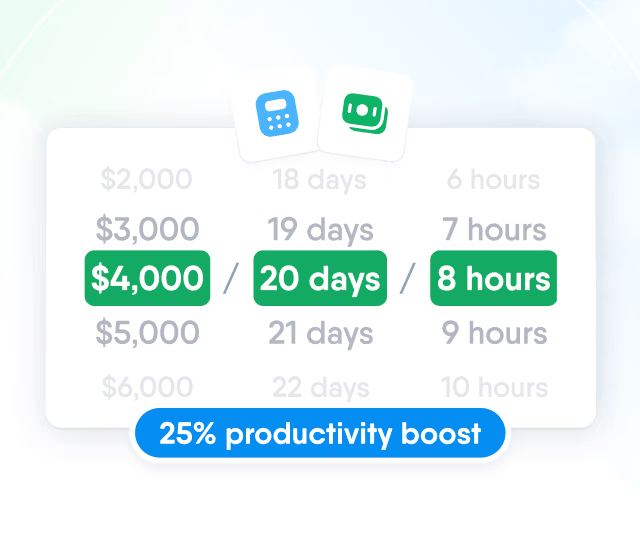
HR efficiency estimator
How does the HR efficiency estimator from PeopleForce work.
Calculate your impact



Employee burnout
What is employee burnout?
Employee burnout is a state of physical, emotional, and mental exhaustion resulting from prolonged exposure to workplace stressors. From a Human Resources perspective, it is not merely a "bad week" or personal fatigue; it is a systemic organizational issue characterized by decreased productivity, high turnover, and a breakdown in the psychological contract between the employer and the employee.
The Three Pillars of Burnout
In HR management, we identify burnout through three primary dimensions, often referenced in the Maslach Burnout Inventory:
- Emotional Exhaustion: The core of burnout. Employees feel overextended and drained of their emotional and physical resources.
- Depersonalization (Cynicism): This manifests as a detached or callous response to various aspects of the job. The employee may pull away from colleagues or express excessive negativity about the company’s mission.
- Reduced Personal Accomplishment: A decline in feelings of competence and successful achievement in one's work. The employee feels that no matter how hard they work, they aren't making a difference.
Strategic HR Implications
For an organization, burnout is a lagging indicator of a flawed culture or inefficient workload management. HR professionals view it through several strategic lenses:
1. The Financial Cost
Burnout is expensive. It correlates directly with increased absenteeism, higher healthcare costs due to stress-related illnesses, and the significant expense of "voluntary turnover." Replacing a burned-out employee often costs 50% to 200% of their annual salary when accounting for recruiting and training.
2. Cultural Contagion
Burnout is rarely isolated. If one high-performer is burned out, it often puts a "ripple effect" of stress on their immediate team. This can lead to a toxic cycle where the remaining employees must pick up the slack, eventually burning them out as well.
3. Risk and Compliance
From a legal and safety standpoint, burned-out employees are more prone to making errors. In high-stakes industries (like medicine or manufacturing), this translates to safety risks. In office environments, it can lead to data breaches, compliance lapses, or poor judgment in client relations.
Root Causes: Why It Happens
While individuals have varying levels of resilience, HR identifies the following organizational triggers:
- Sustainable Workload: When the volume of work consistently exceeds the capacity of the individual.
- Perceived Lack of Control: Employees feel they have no autonomy over their schedule, resources, or how tasks are completed.
- Reward and Recognition Gap: A lack of social recognition or financial incentives for the effort put in.
- Breakdown of Community: A lack of support from supervisors or toxic dynamics with peers.
- Absence of Fairness: Perceptions of favoritism or inequity in how assignments and promotions are handled.
HR’s Role in Prevention
Effective HR leadership focuses on upstream solutions rather than just "wellness perks" like yoga or fruit baskets.
- Job Redesign: Analyzing roles to ensure they are realistic and provide adequate "breathing room."
- Managerial Training: Teaching leads to recognize the early signs of withdrawal and to practice empathetic leadership.
- Data Monitoring: Using engagement surveys and turnover metrics to identify "hot spots" within specific departments before a mass exodus occurs.
- Psychological Safety: Cultivating an environment where employees feel safe saying "no" or flagging that they are overwhelmed without fear of retaliation.


Let us show you what's possible
From Core HR to advanced workforce analytics — see the platform saving 80 hours a month for teams just like yours. Fully tailored to your workflow.