
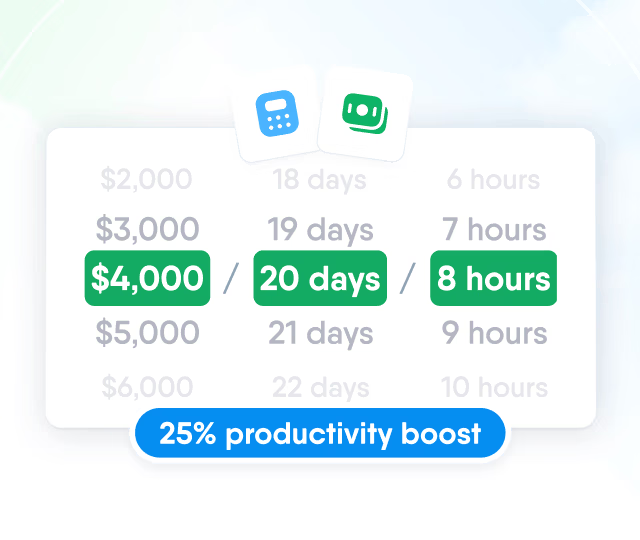
HR efficiency estimator
How does the HR efficiency estimator from PeopleForce work.
Calculate your impact



Inclusion in the workplace: what it means and how to build an inclusive culture

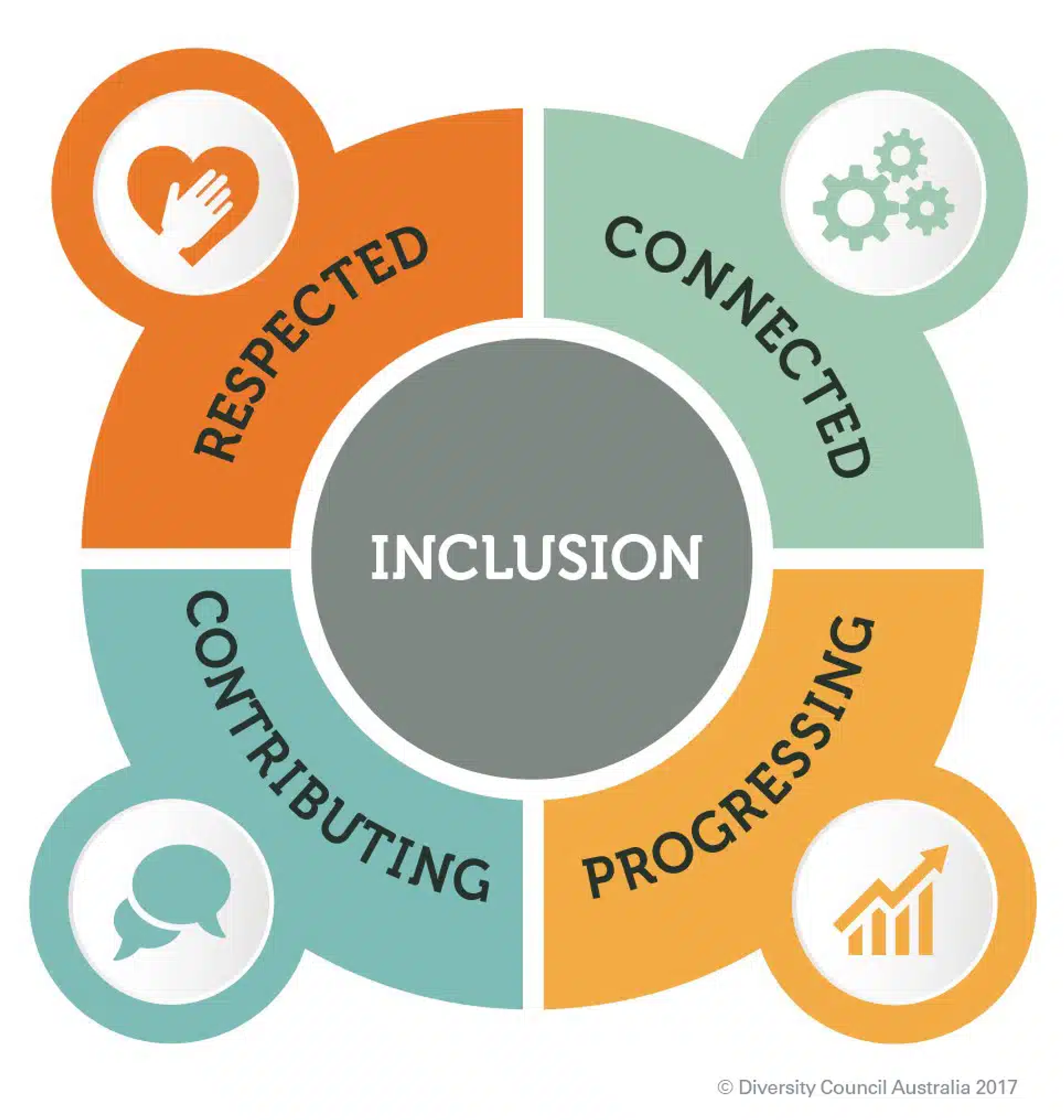
Inclusion in the workplace means every employee has equal opportunities, feels respected and can fully contribute to shared results, regardless of gender, age, background, disability or other characteristics. An inclusive workplace helps attract and retain top talent: 94% of respondents to the Inclusion Barometer 2024 confirm it, and 73% believe it matters even more than five years ago.
What inclusion in the workplace means
In an inclusive workplace, employees:
- Feel valued for their unique identities.
- Experience a sense of belonging and mutual respect from colleagues.
- Can actively share diverse perspectives that add value to the organization.
- Have equal opportunities for growth and advancement, supported by transparent and fair talent management processes.
Why inclusion matters for the business
Impact on business performance
McKinsey’s Diversity Matters Even More study covered 1,265 companies in 23 countries. Companies in the top quartile for gender diversity on executive teams were 39% more likely to outperform financially than those in the bottom quartile.

Access to a wider talent pool
Companies that invest in DE&I attract candidates of different ages and backgrounds. This widens the talent pool and helps close skill gaps.
Better understanding of customers
A team that reflects its customers understands their needs better. According to a Deloitte survey, 30% of companies report that inclusion helps them build deeper customer relationships.
The Effects of Diversity on Business Performance study found that diverse teams are better at identifying customer needs and at building campaigns that work for different audiences.
Legal requirements
Equal treatment at work is a legal duty, so part of inclusion is simply compliance:
- in the UK, the Equality Act 2010 protects nine characteristics, including age, disability, race, religion or belief, sex and sexual orientation, and requires reasonable adjustments for disabled employees;
- in Ukraine, Art. 2-1 of the Labour Code and the Law on Preventing and Combating Discrimination prohibit discrimination at work;
- public procurement rules and ESG (Environmental, Social and Governance) criteria increasingly take DE&I policies into account.
Better business decisions
Poor communication, language barriers and stereotyped thinking can distort decisions. Inclusive teams that hear different perspectives are better at avoiding groupthink and bias, which leads to more balanced decisions.
Higher employee engagement
According to Gallup’s State of the Global Workplace 2026 report, global employee engagement fell to 20% in 2025, its lowest level since 2020. Low engagement cost the world economy about $10 trillion, or 9% of global GDP.
An inclusive workplace raises engagement because it:
- Promotes core values such as respect and empathy.
- Strengthens a positive organizational culture.
- Encourages open communication.
- Ensures equal pay and access to many benefits.
- Supports the development of specific skills and behaviors, such as active listening.
According to Diversity Council Australia data, employees in inclusive teams:
- Are 8 times more likely to report high job satisfaction compared to those in non-inclusive teams.
- Are 6 times more likely to experience a positive impact on their mental health.
- Are 3 times less likely to leave the organization.
More innovation
Data from Diversity Council Australia also highlights another connection: inclusive teams are 10 times more innovative than those that do not actively manage diversity.
Diverse teams bring together different experiences and viewpoints, so they propose new solutions and notice market shifts sooner.
Why companies hesitate to embrace diversity
Even when companies see the benefits of diverse teams, many are slow to change. Resistance to change, reluctance to engage with different perspectives and fear of the unfamiliar remain the main barriers.
Where do these challenges stem from? In part, from a lack of awareness about the benefits of diversity, concerns about losing certain privileges, and the misconception that working with like-minded individuals leads to easier collaboration and faster goal achievement.
In reality, while homogeneous teams may streamline decision-making, they also limit perspective, making it harder to identify potential risks and new opportunities. Without the healthy friction of diverse viewpoints, decisions may be made quickly, but they often lack depth, resulting in missed insights and costly mistakes.
Diversity vs inclusion: what is the difference
Introducing diversity into an organization is an important step. While it requires commitment and effort, in the long run, it leads to better, more well-thought-out solutions. This happens through elaboration, a process of deeper information processing that integrates multiple perspectives. Employees in diverse teams:
- Think more multidimensionally.
- Consider alternative solutions.
- Develop a forward-thinking mindset.
- Challenge conventional patterns.
- Generate more ideas and better identify gaps in their assumptions.
However, diversity alone won’t drive success without inclusivity. An inclusive work environment encourages open idea exchange, creates space for challenging existing norms, and allows every team member to contribute unique value.
Hiring a diverse team is not enough on its own. The value appears when every team member feels heard, respected and able to shape shared results.
How to build an inclusive workplace
1. Assess your DE&I maturity
Start by assessing where your organization stands on DE&I. Five maturity levels can serve as a guide:
- Compliant Organization: Focuses primarily on minimizing legal risks. It has a basic understanding of diversity and inclusion but lacks a formal DE&I strategy.
- Emergent Organization: Has implemented diversity and inclusion initiatives, but in an inconsistent manner. While a DE&I strategy exists, it is not yet integrated with broader strategic goals.
- Embracing Organization: Employs a diverse workforce, and its DE&I strategy is aligned with business objectives. At this stage, the company begins optimizing diversity efforts.
- Integrated Organization: Recognizes the value of a diverse and inclusive workforce and actively engages employees from different backgrounds in talent and business initiatives. Employees feel that their opinions are valued.
- Equitable Organization: Uses diverse experiences to drive measurable outcomes. Leaders and employees alike see diversity and inclusion as integral to business success.
2. Build a diversity strategy
Creating an effective diversity strategy requires a series of tailored initiatives that align with the unique characteristics of your organization while addressing the needs of your employees. Focus on removing barriers and fostering cognitive processes within individual teams.
Examples of such initiatives:
Blind hiring
In the first screening stages, the system or recruiter hides a candidate’s gender, age and background, and CVs are assessed against the same criteria.
Flexible work
Spotify introduced its Work from Anywhere policy, which lets employees choose how and where they work.
Pay equity
Salesforce regularly conducts pay audits to identify and eliminate wage gaps caused by gender or other factors.
Mentoring for underrepresented groups
The Women in Cloud community works with technology partners to give women in tech mentoring, training and leadership development opportunities.
Common mistakes when introducing DE&I
- When developing a diversity strategy, avoid direct comparisons with organizations at a more advanced stage of DE&I maturity. Such comparisons often lead to unrealistic expectations and misaligned priorities, making it difficult to implement effective initiatives.
- An organization at the compliance stage should define a specific, measurable tactical goal – such as improving brand reputation. At this level, implementing broad strategic initiatives carries the risk of failing to meet objectives, which could further marginalize certain employee groups.
3. Support employees
Select methods and tools that will help you support your employees. Promoting overall equality cannot be achieved without actively listening to employees' needs. Open dialogue is essential for identifying challenges that hinder the implementation of an inclusive organizational culture. You can facilitate this dialogue through individual conversations, surveys, or mentoring programs.
Efforts to promote equality should also be continuously assessed using specific metrics and feedback mechanisms.
4. Invest in training
Develop a practical training plan that fosters growth for both employees and the organization as a whole. Many individuals experience intolerance or bias in various aspects of social life, which can impact their well-being and performance in the workplace. Such experiences often lead to decreased engagement, a diminished sense of security, and difficulties in building relationships within teams.
It is the responsibility of business leaders and HR teams to identify these challenges and equip employees with the tools and new skills needed to navigate them effectively. This can be achieved through education and training in DE&I (e.g., unconscious bias training), coaching programs, and the implementation of safe mechanisms for reporting concerns.
For practical ways to work with diversity in a team, read “Diversity in the Workplace: A Necessity, Not a Trend – 5 Strategies to Transform Your Company’s Culture”.
Inclusion in PeopleForce
In PeopleForce, HR runs anonymous surveys on belonging and engagement in Pulse, and engagement analytics shows the differences between teams. The whistleblowing channel in Desk lets employees report discrimination or misconduct confidentially, and the gender pay gap report in Core HR shows pay differences between employee groups.
Frequently asked questions
What does inclusion mean in simple terms?
Inclusion means everyone on the team has equal opportunities, is heard and respected, and their differences do not hold them back at work.
What is the difference between diversity and inclusion?
Diversity describes who is on the team: people of different ages, genders and backgrounds. Inclusion describes whether those people can fully take part in the work and decisions.
How do you create an inclusive workplace?
Start by assessing your DE&I maturity, then remove bias from hiring, make pay and growth transparent, collect employee feedback regularly and train managers.
How can inclusion be measured?
Inclusion is measured through anonymous surveys on belonging and respect, by comparing turnover and promotions across employee groups, and through regular 1:1 meetings.
The PeopleForce editorial team creates and refines content on people management, recruiting, team development and HR technology. Every article goes through an editorial review for accuracy, relevance and clarity. We rely on verified sources, industry research, hands-on experience and PeopleForce’s own analytics, including anonymized data, to give HR professionals, managers and business owners useful, reliable information.


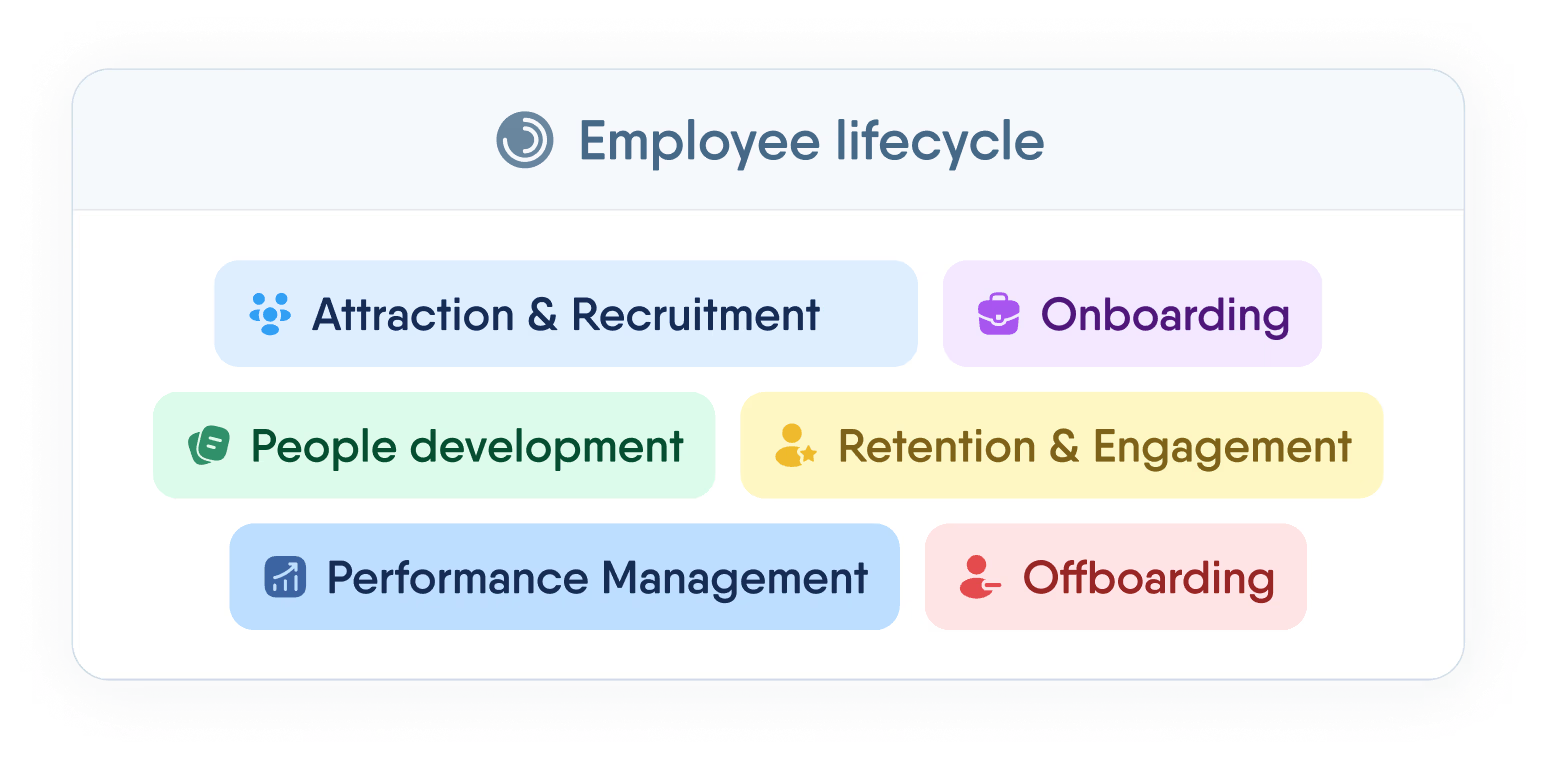
One login. Every HR tool you'll need.
Manage the full employee lifecycle — from first interview to final offboarding — without switching tabs or losing data.
Recent articles
 2026-11-05
Gamification in HR: what it is and how to use it in training and sales
What gamification is, which game mechanics it uses, examples in HR, training and sales, and how to introduce it without putting the team off.
2026-11-02AI in HR: the five jobs it does today, and how each one looks in PeopleForce
Most AI in HR today falls into five jobs. How each one works, how it looks in PeopleForce, and the five questions to ask any vendor.
2026-10-29Overtime automation: rules in Ukraine and the UK and payroll-ready hours
What the law says about overtime in Ukraine and the UK, and how to automate tracking: hour types, rates, approvals and payroll-ready data.