
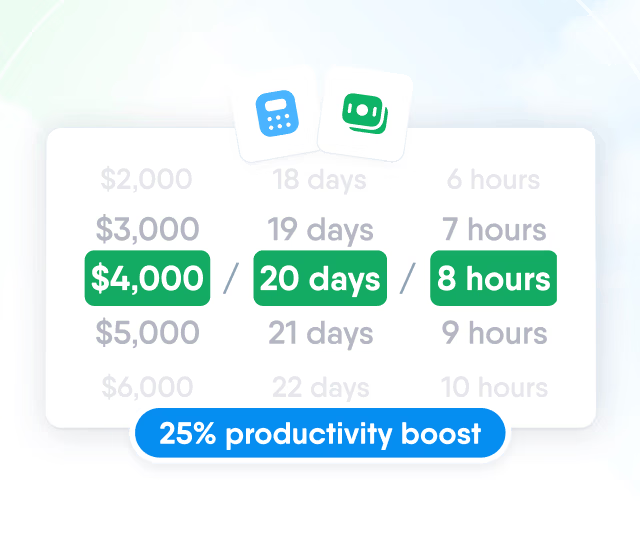
HR efficiency estimator
How does the HR efficiency estimator from PeopleForce work.
Calculate your impact



Employee handbook
What is employee handbook?
Employee handbook is a strategic document that serves as the definitive guide for the professional relationship between an organization and its staff. From a Human Resources perspective, it is much more than a list of rules; it is a foundational tool for risk management, cultural alignment, and operational efficiency.
1. The Legal and Compliance Shield
The primary HR function of a handbook is to protect the organization from litigation. By documenting policies in a centralized location, HR establishes a "notice of expectations."
- Standardization of Treatment: It ensures that rules are applied consistently, which is the best defense against claims of discrimination or favoritism.
- At-Will Affirmation: It explicitly defines the employment-at-will relationship (where applicable), ensuring both parties understand the terms of engagement.
- Regulatory Compliance: It outlines federally and locally mandated policies, such as Equal Employment Opportunity (EEO) statements, anti-harassment protocols, and Family and Medical Leave Act (FMLA) guidelines.
2. Cultural Integration and Employer Branding
Beyond the "thou shalt nots," the handbook acts as a cultural compass. For a new hire, this document is often their first deep dive into the company’s DNA.
- Mission and Values: It articulates the "why" behind the work, helping employees align their personal values with the corporate mission.
- Tone and Voice: The language used—whether formal and precise or casual and empowering—sets the tone for the entire workplace environment.
- Behavioral Expectations: It defines professional conduct, dress codes, and communication styles that constitute the company’s unique "way of doing things."
3. Operational Clarity and "Self-Service" HR
A well-structured handbook empowers employees to find answers independently, which significantly reduces the administrative burden on the HR department.
- Benefits and Perks: It provides a clear roadmap of what the company offers, from health insurance and 401(k) matching to "soft" benefits like remote work policies or education reimbursements.
- Standard Operating Procedures (SOPs): It outlines the logistics of daily work, such as how to request time off, how to report a grievance, and how performance evaluations are conducted.
- Safety and Security: It details emergency protocols, data privacy requirements, and workplace safety standards to ensure physical and digital security.
4. The Performance Management Framework
HR uses the handbook to set the stage for accountability. When performance issues arise, the handbook serves as the objective reference point for corrective action.
- Disciplinary Roadmaps: It outlines the steps of progressive discipline, so employees understand the consequences of policy violations.
- Consistency in Leadership: It prevents individual managers from "going rogue" by providing a single source of truth that all leaders must follow when managing their teams.
Expert Insight: An effective employee handbook is a "living document." HR must review and update it at least annually to reflect changing labor laws, evolving societal norms (such as AI usage policies), and shifts in organizational strategy.


Let us show you what's possible
From Core HR to advanced workforce analytics — see the platform saving 80 hours a month for teams just like yours. Fully tailored to your workflow.