



The foundation: Employee records, team data and time off on the same platform, with new hires created from a form that updates payroll on its own. (Core HR)

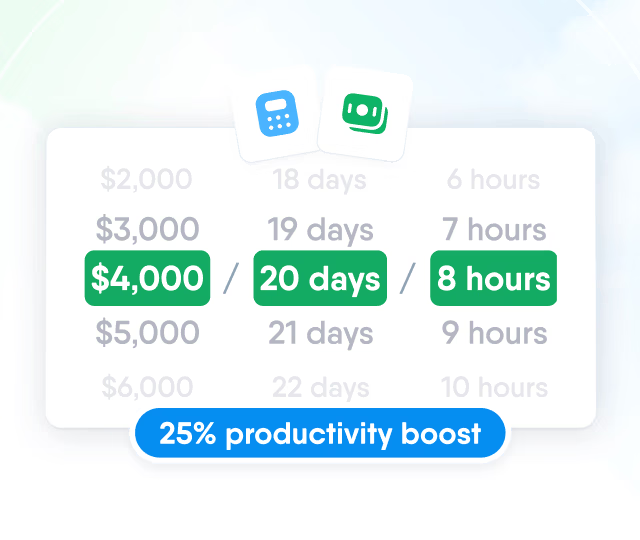
HR efficiency estimator
How does the HR efficiency estimator from PeopleForce work.
Calculate your impact
Case studies
Cocos: a People team that broke free from operations
How Cocos freed its People team from operational work with PeopleForce 🚀


2 in 1
HR systems unified on one platform
5 minutes
to launch a climate survey; data processing used to take 2 weeks
About 4
climate surveys a year, up from one or two
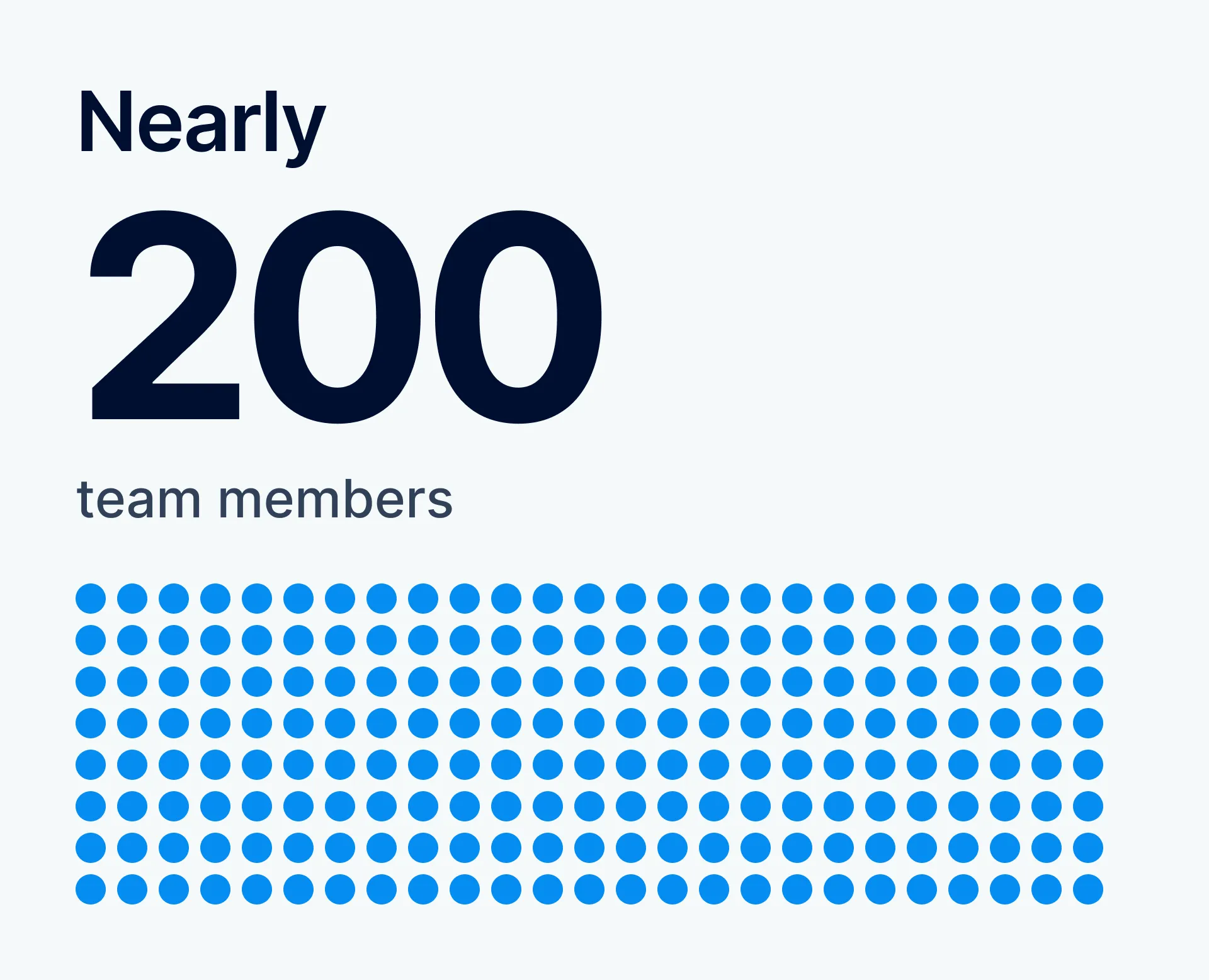
With nearly 200 employees and a business that keeps adding products, Argentine fintech Cocos was running its People function on two separate systems, and one of them kept failing. With PeopleForce it organized its processes, used workflows to automate what was still manual and freed up its People team to focus on strategy and on being closer to employees.
Case summary
Client: Cocos, an Argentine fintech with nearly 200 employees and a six-person People team, left two separate systems behind and used PeopleForce to automate the processes that were still manual. The People Ops tasks that used to take up almost an analyst's entire workday keep shrinking: the team works in strategic roles, launches a climate survey in five minutes and measures workplace climate about four times a year.
Industry: Fintech / Financial services
Location: Argentina
Employees: Nearly 200
Meet Cocos
A fast-moving fintech with a six-person People team
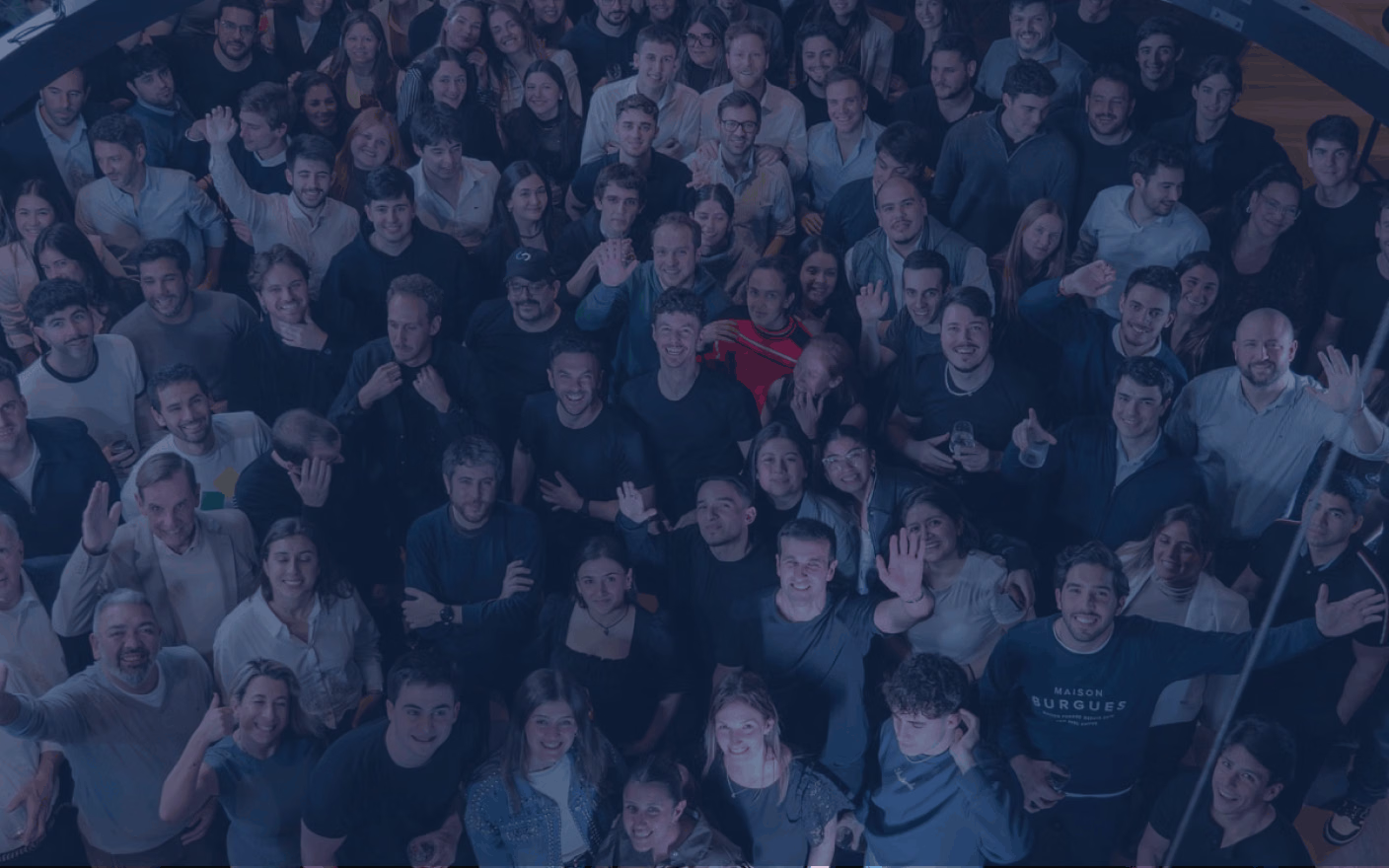
Cocos is an Argentine fintech that offers a wide range of financial products to different types of clients, and with the acquisition of a bank it's adding banking products too. Its team is nearly 200 people, mostly young and used to something new happening all the time. People is led by Sofi Dayan, People Manager, with a team of six.
The problem
Two systems, lots of spreadsheets and a team tied to operations
Before PeopleForce, Cocos's People processes were split between two systems and a good number of spreadsheets. One analyst on the team spent almost her entire workday on People Ops tasks. These were the challenges the team faced:
Two separate systems. One for leave, employee records and payslips, another for onboarding and performance reviews. People couldn't remember which platform was for what and kept forgetting their passwords.
A system that failed. In the middle of a performance cycle, about ten people who had already completed their feedback lost it and had to fill it in again.
Next to no support. The previous vendor answered one email a week, far from the standard the team needed.
Data in spreadsheets. Five different spreadsheets for People data, including a headcount tracker updated by hand every month. Forget one person and the numbers no longer added up.
Double entry and manual follow-ups. Every new hire was entered in two places, and the team had to chase employees to log their time off.
“I'll never forget that in one of the performance cycles, about ten people who had already completed all their feedback had everything wiped and had to fill it in again. That's when I said: never again.”

Sofi Dayan
People Manager, Cocos
The change
Why did Cocos choose PeopleForce?
When they decided to switch, Cocos evaluated two or three platforms, asked peers for references and narrowed it down to two finalists. After a vendor that barely responded, support was the main criterion, and that's what tipped the balance: answers at any hour and personalized videos showing how to solve each need. Implementation started from scratch with Fede, the assigned implementation specialist, on a four-week plan adapted to the dates of the company's internal processes. Once everything was organized, they looked at which processes worked well but still had manual steps, and automated them.
Performance: Feedback cycles twice a year, with a workflow that prepares every manager before they give feedback to their team. (Perform)
Climate: Surveys that can be duplicated and launched in five minutes, with results ready at close and visible live. (Pulse)
“The implementation is ongoing. It wasn't like, 'OK, you're new, I'll help you for these four or six weeks and that's it.' We're talking all the time.”
Sofi Dayan
People Manager, Cocos
Results
How did Cocos free its People team from operations? Before and after
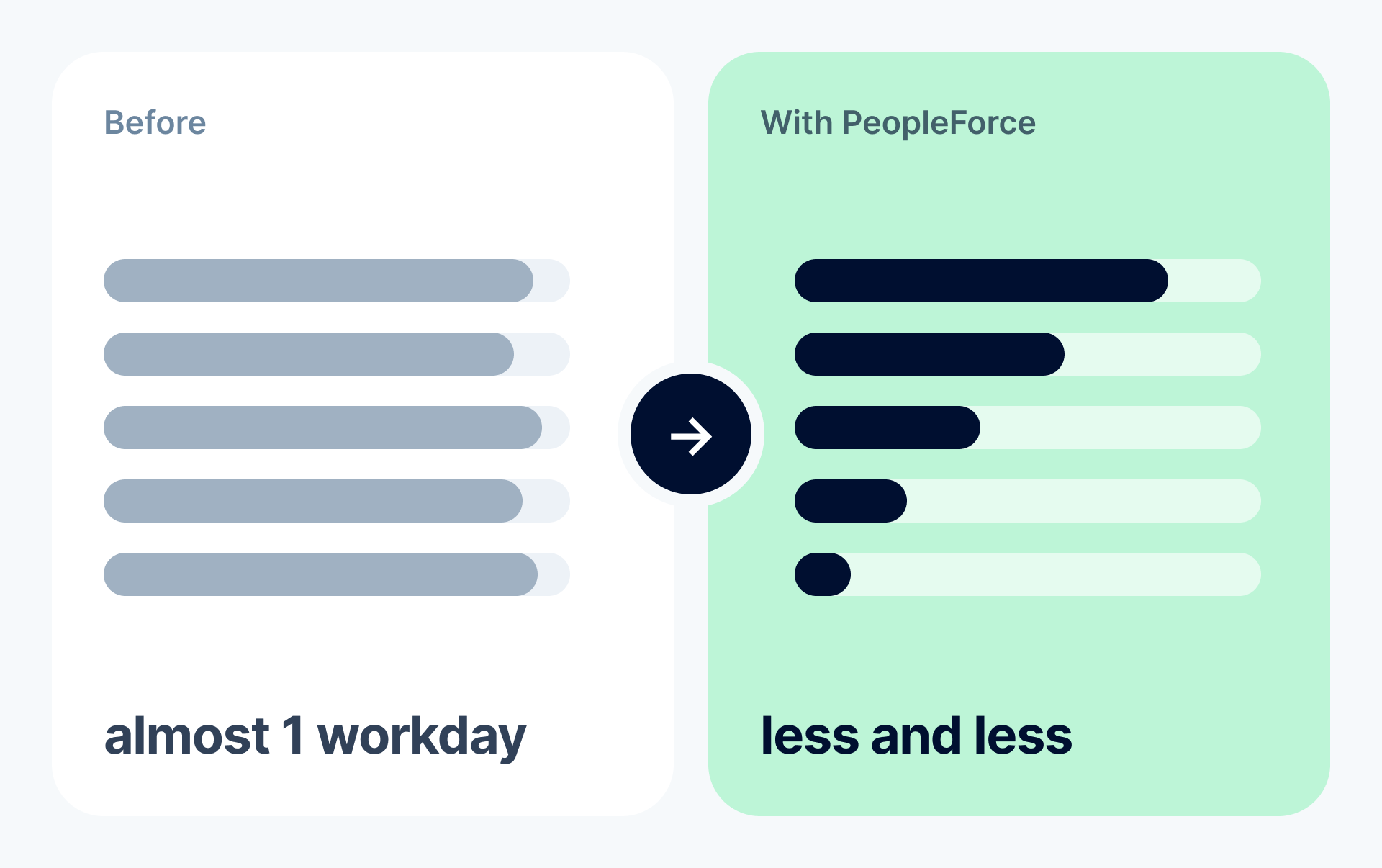
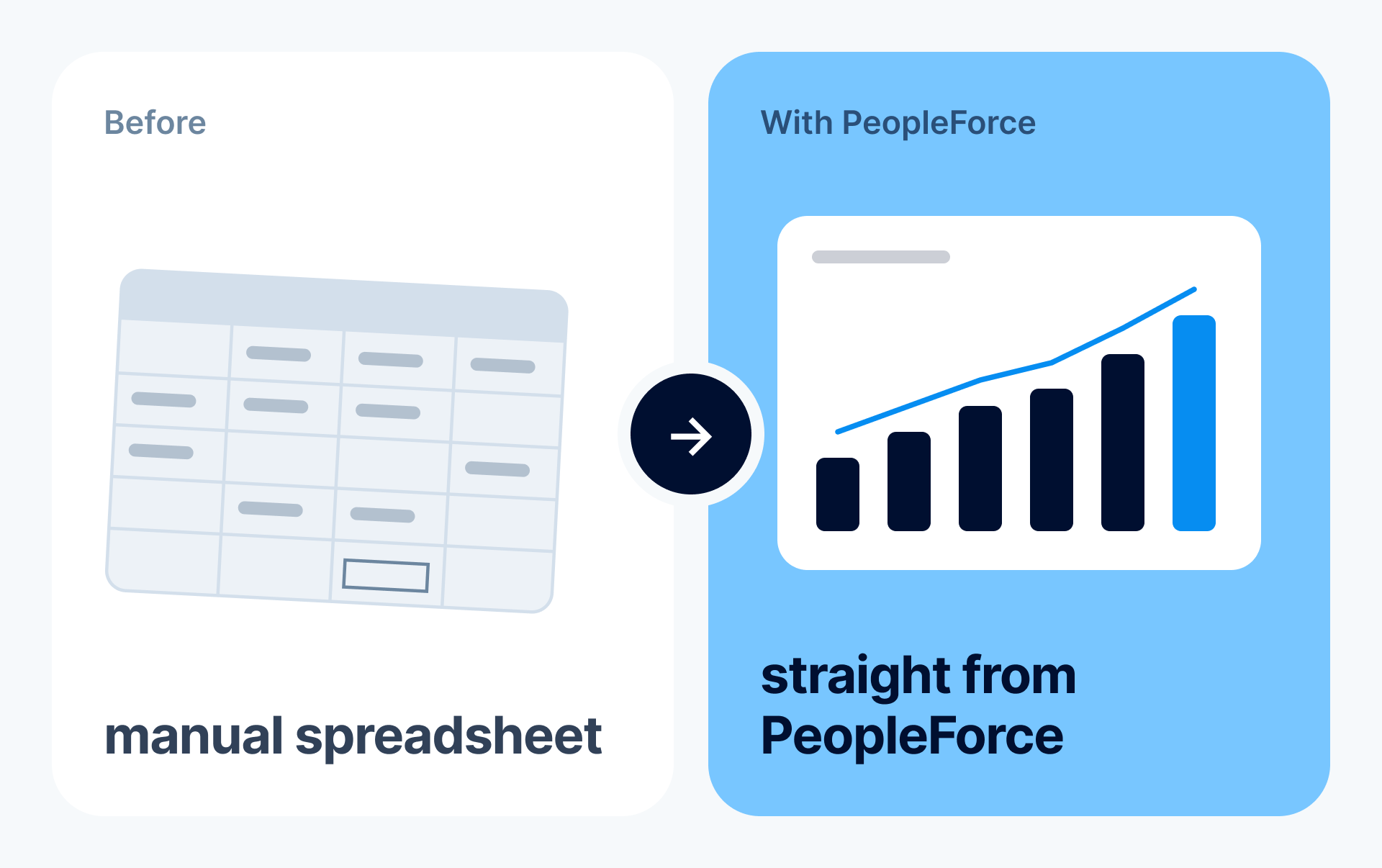
An analyst on the team used to spend almost her entire workday on People Ops tasks: spreadsheets, payroll data entered by hand and follow-ups. Today those tasks keep shrinking, and all six people on the team work in strategic roles. The time didn't disappear, it moved to the part no system can do. "It gives us more time to talk to people, to be closer to them, all those more human things systems can't replace," says Sofi. The change shows in the data too: for her monthly meeting with the co-founders, Sofi pulls headcount and turnover straight from PeopleForce. And climate surveys, which used to take at least two weeks of processing, now have results ready at close, so the team can measure more often.
Workflows you set up once and reuse
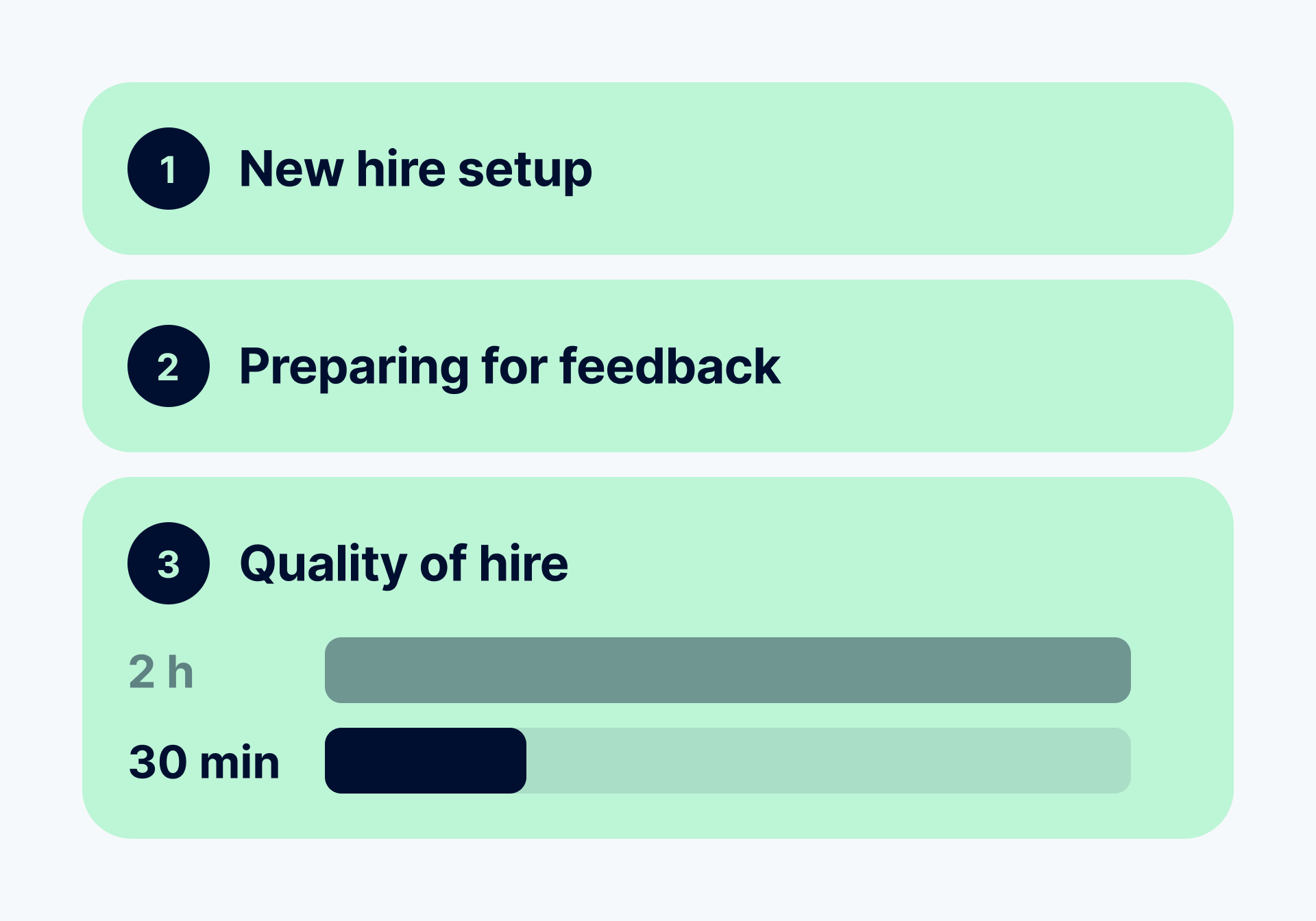
For Sofi, workflows are PeopleForce's "star feature". With them, Cocos automated three processes that used to depend on someone on the team:
New hire setup: The person fills in a form in PeopleForce, their user account is created and payroll updates on its own. Before, the data had to be entered in two places.
Feedback prep: Before each cycle, every manager receives the best practices and the timeline, which used to go out in scattered chat messages or emails.
Quality of hire: A set time after each hire, the manager receives a form to evaluate how the search went. This used to take the Talent Acquisition Analyst up to 2 hours a month. Today, checking that everything is in order takes 30 minutes at most.
The best part is that they're set up once. "For the next cycle, if we want to add, remove or change something, it's there. But if not, we switch it on and that's it, we forget about it," explains Sofi.
Supporting each employee from their own view
When an employee writes "I can't find it, I don't know how to do this", Sofi logs in as that person and sends screenshots of exactly what they see, step by step. From the admin view, the People team also fixes things without waiting: if a manager forgot to approve time off or share feedback before going on leave, the team takes care of it. Time off, which used to require chasing people, can now be logged by the team on behalf of anyone. And with the calendar connected to Google, PMs can see who's out to plan projects without logging time off in another tool. For employees, the rule is simple: if it's about People, they know to go to PeopleForce.
“I'd sum up PeopleForce as an all-in-one People tool with the best support in the industry, no doubt about it.”
Sofi Dayan
People Manager, Cocos
Why Cocos recommends PeopleForce
A People team with more time for strategy and for being close to employees.
Workflows that automate new hire setup, feedback and quality of hire, and are reused cycle after cycle.
Climate surveys with live results, to measure about four times a year.
Headcount and turnover data ready for the leadership meeting, with no manual spreadsheets.
A platform employees adopted without friction and find really intuitive.
Close, ongoing support through the sale, implementation and beyond.
Table of contents
Insights from


Want to free your People team from operations, like Cocos? 🚀
See how PeopleForce can help your team.