
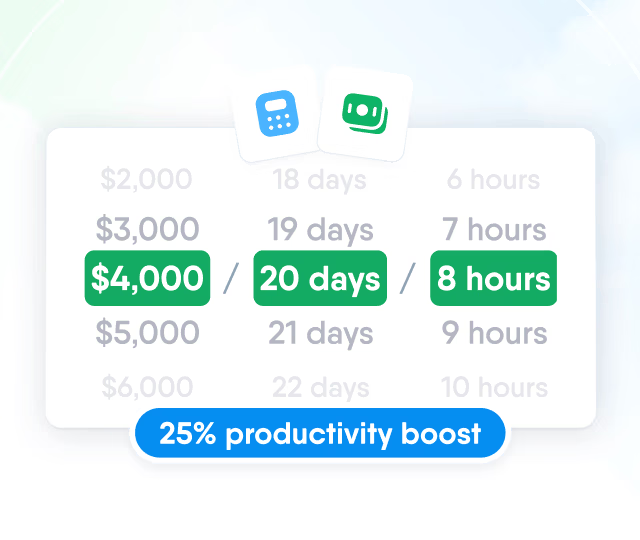
HR efficiency estimator
How does the HR efficiency estimator from PeopleForce work.
Calculate your impact



Workplace climate: what it is, types, how to measure it and what to do next

Workplace climate, also called organizational climate, is employees' shared perception of what it is like to work at a company: how people communicate, how managers lead, what conditions they work in and how their work is recognized. It is measured with regular, anonymous climate surveys, and it only helps if the results turn into a concrete action plan.
What is workplace climate?
Workplace climate is the atmosphere people experience at work every day. It reflects what employees experience rather than how the company describes itself: whether information flows, whether their manager listens and whether their effort is valued.
It is often confused with company culture. Culture is the company's values; climate is how that culture feels in practice, and it changes faster: a change of manager can shift it within weeks. That is why it needs regular measurement.
What shapes workplace climate?
- Internal communication. Whether information arrives clearly and on time, in both directions, and whether people can raise concerns without fear.
- Leadership. A manager who listens and gives feedback builds trust; one who only controls creates distance.
- Working conditions. Tools, spaces, hours, flexibility and workload.
- Recognition. Fair pay and timely thanks for good work.
- Development. Whether people see a path to learn and grow.
- Team relationships. Collaboration, respect and a sense of belonging.
Types of workplace climate
One of the best-known classifications comes from Rensis Likert (The Human Organization, 1967), who described four types of climate based on how decisions are made and how much people take part:
| Climate type | What it looks like day to day |
|---|---|
| Exploitative authoritative | Decisions are made at the top, trust is low and communication is mostly orders. |
| Benevolent authoritative | Management decides but with some closeness; rewards and punishments, little autonomy. |
| Consultative | Managers consult before deciding, communication flows both ways and there is trust. |
| Participative | Decisions are made with the team, trust is high and people feel part of the results. |
In everyday terms, people also talk about a positive climate (trust, open communication, recognition) and a negative climate (mistrust, unresolved conflict, high turnover). A climate survey shows which one you have and where.
How climate affects performance and turnover
Climate influences how people work and how long they stay. When employees feel heard and know what is expected of them, they work with more focus and are more willing to suggest ideas. When climate deteriorates, the signals appear before resignations: more absences, less participation and conflicts left unresolved.
How to measure workplace climate
The most direct way is a climate survey covering the dimensions above. Three choices shape how useful it will be.
Annual survey or pulse surveys
An annual survey is thorough, but by the time results arrive, part of what they show has already changed. Pulse surveys are short (5 to 10 questions), repeated every quarter or half-year, and show whether your actions are working. Combining both gives depth once a year and a regular check in between.
eNPS: one summary question
The eNPS (Employee Net Promoter Score) uses a single question: “On a scale of 0 to 10, how likely are you to recommend this company as a place to work?” Those answering 9 or 10 are promoters; 0 to 6 are detractors. The score is the percentage of promoters minus the percentage of detractors. It does not explain why, so pair it with an open question.
Anonymity and honest answers
If people feel their answers can be traced back to them, they say what they think is expected. Explain how the data is handled and set a minimum number of responses per group before showing results. In the UK and EU, survey data about employees is personal data under GDPR, so state the purpose and who sees the results.
Sample climate survey questions
Closed questions use a 1 to 5 scale.
| Dimension | Question |
|---|---|
| Communication | I receive the information I need to do my job on time. |
| Communication | I can raise questions or ideas with my team comfortably. |
| Leadership | My manager gives me useful feedback on my work. |
| Leadership | My manager listens when I raise a problem. |
| Working conditions | I have the tools I need to do my job well. |
| Working conditions | My workload is manageable. |
| Recognition and development | I feel my work is recognized. |
| Recognition and development | I see opportunities to learn and grow here. |
| Belonging | On a scale of 0 to 10, how likely are you to recommend this company as a place to work? (eNPS) |
| Open question | What is the first thing you would change to work better? |
What to do with the results
- Share the results with employees, including what needs to improve.
- Segment by team, location or tenure. An overall average hides differences.
- Pick two or three priorities. A short list gets done; ten parallel initiatives usually stall.
- Build an action plan with owners and dates, together with team leaders.
- Measure again with a short pulse to see whether the actions worked.
Climate surveys in PeopleForce
In PeopleForce, climate surveys run in Pulse, on the same platform as employee records, performance reviews and leave. HR can start from ready-made templates or build a survey from scratch, set an anonymity threshold so small groups are not shown, view results by department, location or custom segments, and measure eNPS with a breakdown by team.
Lifecycle surveys can be sent automatically at key moments, such as 30 days after joining or on someone's last day, and engagement analytics shows results as they come in.
Frequently asked questions
What is workplace climate?
Workplace climate is employees' shared perception of what it is like to work at their company, covering communication, leadership, working conditions, recognition and development. Unlike culture, it changes quickly, so it should be measured regularly.
How often should we run a climate survey?
Combine a full survey once a year with short pulses every quarter or half-year, and always share the results.
How many questions should a climate survey have?
A pulse works well with 5 to 10 questions; an annual survey can be longer. Include at least one question per dimension, the eNPS question and an open question.
Does a climate survey have to be anonymous?
In most cases, yes. Anonymity is key to honest answers, and results for small groups should be hidden.
The PeopleForce editorial team creates and refines content on people management, recruiting, team development and HR technology. Every article goes through an editorial review for accuracy, relevance and clarity. We rely on verified sources, industry research, hands-on experience and PeopleForce’s own analytics, including anonymized data, to give HR professionals, managers and business owners useful, reliable information.


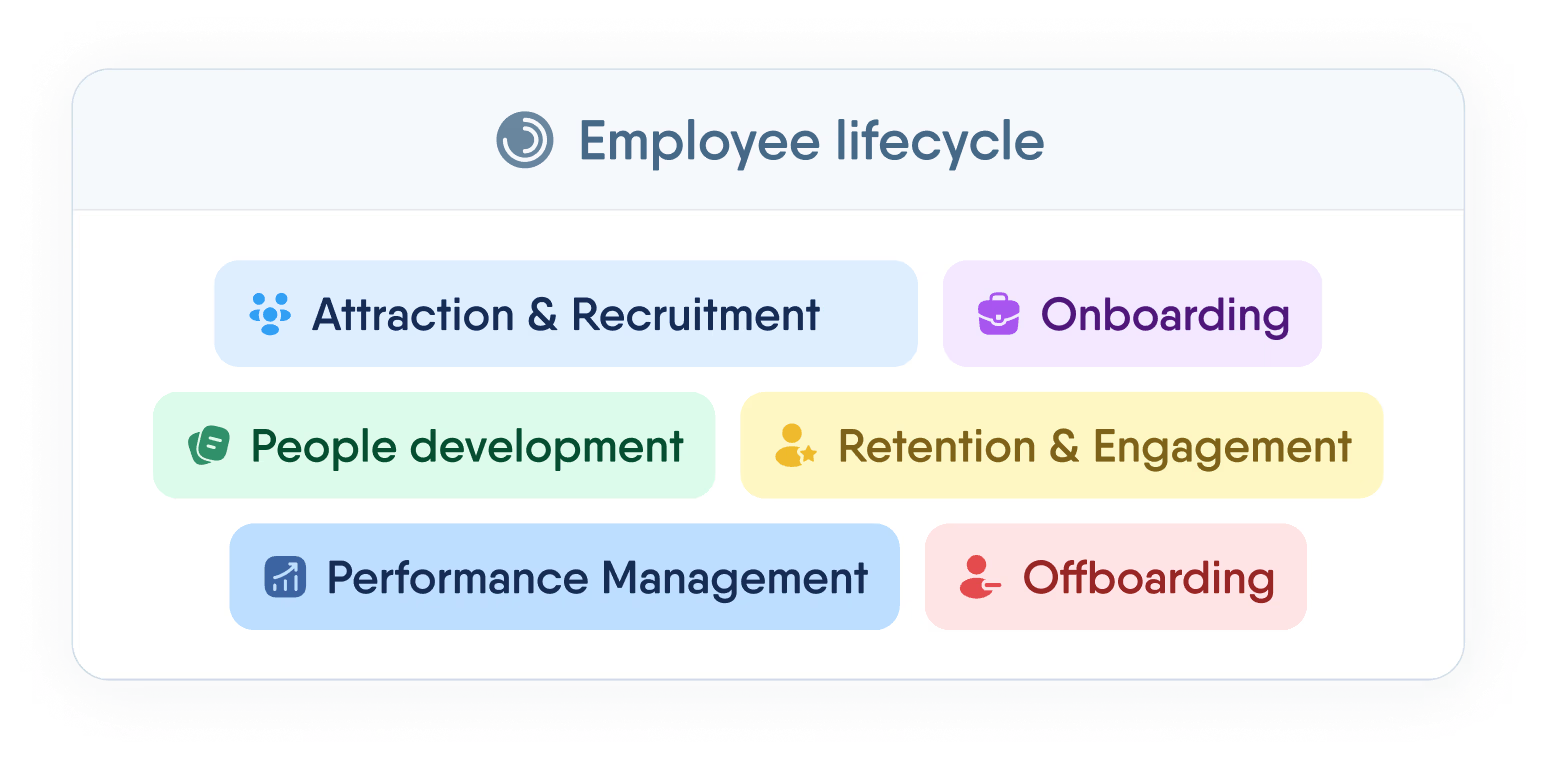
One login. Every HR tool you'll need.
Manage the full employee lifecycle — from first interview to final offboarding — without switching tabs or losing data.
Recent articles
 2026-11-12
Reference check: how to verify a candidate and what to ask
What a reference check is, when to run it, how to get candidate consent, which questions to ask referees and how to read their answers.
2026-11-12Types of organizational charts: vertical, horizontal, matrix and circular, with examples
Which org chart types exist, what each one looks like, when to use it and how to build yours so it does not go out of date.
2026-11-10Time and attendance system: what it is, types and how to implement it
What a time and attendance system does, which type fits which team, what Polish and UK law require for working time records and how to implement it.