
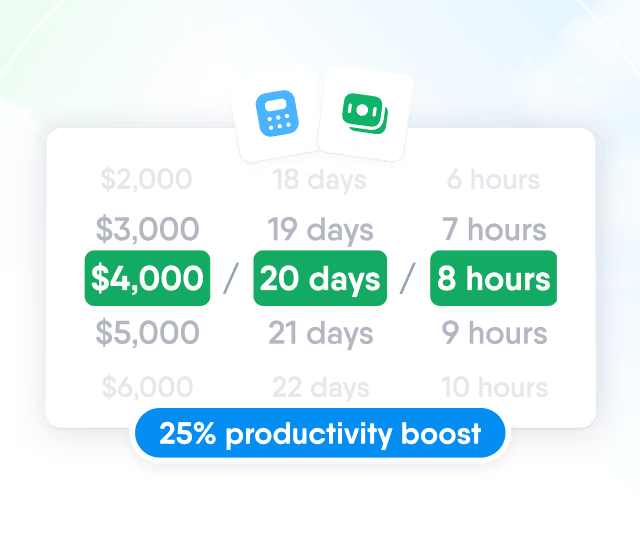
HR efficiency estimator
How does the HR efficiency estimator from PeopleForce work.
Calculate your impact



Reference check: how to verify a candidate and what to ask

A reference check is a conversation with a candidate's former managers or colleagues to confirm their experience, results and the way they work. It happens at the final stage of hiring, when one or two candidates remain, and always with the consent of the person being checked. Two or three referees and a 15-20 minute call with each are usually enough.
An interview shows how a candidate talks about their work. A reference check shows how they actually did it, according to people who saw it up close. If you only need the term, see our reference check definition; this article covers the practical process.
Why check references after the interviews
A referee adds what an interview cannot: how the person handled pressure, how they took feedback, whether they finished what they started.
CV facts. Job title, dates of employment, scope: team size, budget, projects.
Results. Whether the achievements the candidate described happened, and how much of the work was theirs.
Working with people. Communication, conflict, reaction to criticism.
Risks. Recurring problems the candidate left out.
Make reference checks mandatory for management roles, for positions with access to money, customer data or trade secrets, and whenever the CV raises questions: unexplained gaps, very short stints, senior titles at very small companies.
Candidate consent: Ukraine and the UK
Talking to a referee means collecting information about the candidate from third parties, which counts as processing their personal data. Both countries handle this through consent and transparency, with a few local differences.
Ukraine. The Law on Personal Data Protection allows this processing with the person's consent. Article 25 of the Labour Code forbids demanding documents that the law does not require at hiring, and a reference letter is not one of them. So the candidate provides referees voluntarily and confirms in writing that the employer may contact them.
United Kingdom. UK GDPR requires telling the candidate what data you collect and why. Offers are often made 'subject to satisfactory references'. A former employer is generally under no legal duty to give a reference, except in some regulated sectors such as financial services, but any reference it does give must be true, accurate and fair, as Acas guidance on references stresses.
What not to ask, even with consent
Health, pregnancy and family plans, marital status, political or religious views, ethnic origin. Questions like these create a discrimination risk under the Ukrainian Labour Code and the UK Equality Act 2010, and they give no useful hiring signal.
Agree separately on the current employer. A call to the candidate's current manager can cost them their job, so it never happens without their explicit permission.
Who makes a good referee
The most valuable referee is a direct manager from the last two or three years: they set the goals and judged the results. For leadership roles, add a direct report or a peer from another team to see how the candidate manages and collaborates. For freelancers and contractors, a client from a long project works well.
Friends, relatives and colleagues from a few weeks' work are not good sources. If every contact is a peer and there is no manager, ask why: sometimes the reason is simple, for example the company closed.
How to run a reference check in six steps
Tell the candidate early. At the first interview, mention that references will be checked at the final stage.
Get contacts and consent. Two or three referees from different employers: name, job title, period of working together, phone or email.
Prepare questions for the role. Six to eight questions that test the key requirements from the job profile.
Book a call. 15-20 minutes on the phone beats an email questionnaire: you hear the pauses and can ask follow-ups.
Write answers down close to verbatim, straight into the candidate profile, so the whole hiring team makes the decision.
Compare with your interview notes and decide before you send the offer.
Template: first message to a referee
Hello [name], I'm [name], a recruiter at [company]. [Candidate name] has applied for the [role] position with us and named you as someone they worked with at [company] in [years]. Could you spare 15 minutes this week to answer a few questions about their work? The candidate has agreed to this conversation.
Questions to ask a referee
Start with facts, then move to judgements. Once the referee recalls the context, their answers about the person become more specific.
Facts
In what capacity did you work with [name], and for how long?
What was their role and what were they responsible for?
Why did they leave?
Results
Which of their results do you consider the strongest?
Which task did they not deliver, or deliver below expectations?
How did they handle deadlines?
Working with people
How did they react to criticism?
Describe a conflict in the team that involved them. How did it end?
Who did they find hardest to work with, and why?
For management roles
How did they set goals for the team?
Who in their team grew during that time, and how?
Closing
What should they develop next?
What will help them settle into a new team faster?
Would you hire them again for the same role?
The last question matters most. A confident 'yes, without hesitation' and a careful 'it depends on the role' mean very different things, even if everything before was praise.
How to read the answers
One reserved reference is not a reason to reject. People leave companies over conflicts, and a former manager is not always objective. The signal is repetition: two referees from different employers independently describing the same problem.
Watch for:
the referee does not confirm the title, dates or scope from the CV;
a pause or an evasive answer to 'would you hire them again';
only general answers, with no examples;
no manager among the contacts, and no explanation;
two referees giving clearly different assessments.
If doubts remain, raise them with the candidate directly and let them explain the context. The hiring manager and the recruiter make the decision together, and references are one input, not a verdict.
Reference checks in PeopleForce
In Recruit, a reference check can be its own stage in the vacancy pipeline. Moving a candidate into that stage triggers an automation: the candidate gets an email asking for referee contacts, the recruiter gets a task, and a note appears on the profile. Referee answers go into the candidate's profile notes, so the whole hiring team sees them.
The candidate list shows the status of each candidate's consent to recruitment data processing and its expiry date. Once you decide, the candidate moves to the offer stage and then to onboarding, with no manual data transfer.
Frequently asked questions
What is a reference check in simple terms?
A conversation with a candidate's former managers or colleagues to confirm their experience and learn how they worked. It happens at the final stage of hiring, with the candidate's consent.
Can you check references without the candidate's consent?
You should not. Collecting information about a candidate from third parties is processing of their personal data, which requires consent in Ukraine and transparency under UK GDPR. The simplest route is written consent together with the referee contacts.
How many referees do you need?
Two or three from different employers. A single reference can easily be a fluke, and more than three rarely adds anything new.
Does an employer have to give a reference in the UK?
Generally no, apart from some regulated sectors. If an employer does give one, it must be true, accurate and fair.
What is the difference between a reference check and a background check?
A reference check collects the views of people who worked with the candidate. A background check covers documented facts: education, licences, records in registers. Most roles need the first; finance and leadership roles often get both.
The PeopleForce editorial team creates and refines content on people management, recruiting, team development and HR technology. Every article goes through an editorial review for accuracy, relevance and clarity. We rely on verified sources, industry research, hands-on experience and PeopleForce’s own analytics, including anonymized data, to give HR professionals, managers and business owners useful, reliable information.


One login. Every HR tool you'll need.
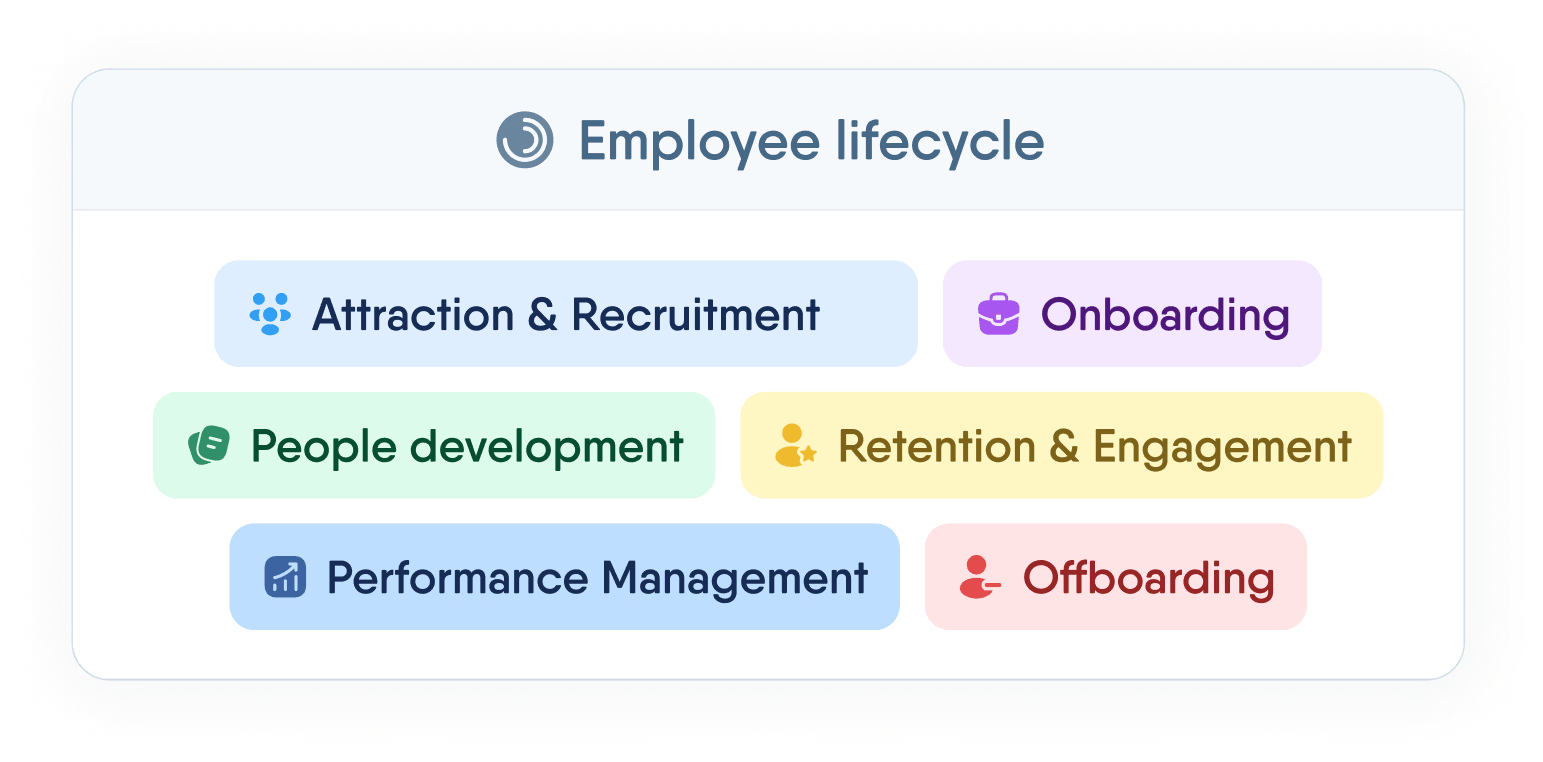
Manage the full employee lifecycle — from first interview to final offboarding — without switching tabs or losing data.
Recent articles
 2026-11-12
Types of organizational charts: vertical, horizontal, matrix and circular, with examples
Which org chart types exist, what each one looks like, when to use it and how to build yours so it does not go out of date.
2026-11-10Workplace climate: what it is, types, how to measure it and what to do next
What workplace climate means, the main types and dimensions, sample climate survey questions and how to turn the results into an action plan.
2026-11-10Time and attendance system: what it is, types and how to implement it
What a time and attendance system does, which type fits which team, what Polish and UK law require for working time records and how to implement it.