
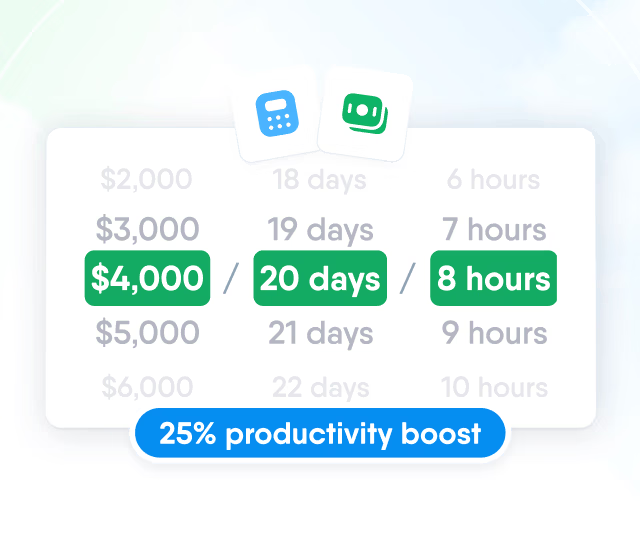
HR efficiency estimator
How does the HR efficiency estimator from PeopleForce work.
Calculate your impact



Time and attendance system: what it is, types and how to implement it

A time and attendance system records when employees start and finish work and turns that data into working time records: hours worked, overtime, night work and absences. In Poland it is known as RCP (rejestracja czasu pracy). It can run on access cards, a mobile app or a web browser, and the data feeds HR and payroll.
Time and attendance system vs working time records
| Poland | United Kingdom | |
|---|---|---|
| Is record-keeping mandatory? | Yes, for every employee (Art. 149 of the Labour Code) | Yes, adequate records to show compliance with working time limits |
| What must be recorded | Hours worked each day with start and end times, overtime, night work, days off, on-call time, leave | Records showing the 48-hour average and night work limits are respected, plus pay records for the National Minimum Wage |
| Is a time and attendance system mandatory? | No, it is a way to keep records automatically | No, any reliable method is allowed |
In both countries the system itself is optional, but the records are not. Automating them removes manual attendance sheets and month-end reconciliation.

Types of time and attendance systems
| Type | How it works | Best for |
|---|---|---|
| Cards and readers | Employees tap a proximity card at the entrance | Offices, plants and warehouses with one entry point |
| Mobile app | Clock in and out with one tap on a phone, often with location | Field teams and distributed teams |
| Web app | Clock in from a browser | Office and remote work |
| Biometrics | Fingerprint or face recognition | Only where data protection law allows it |
| Access control integration | Entries and exits from turnstiles feed the system | Large sites with access control |
Biometric data is special category data under GDPR and UK GDPR. In Poland, the Labour Code allows employers to process it where it is necessary to control access to particularly important information or premises (Art. 22¹b) or on the basis of consent given on the employee's own initiative (Art. 22¹a). Time tracking alone meets neither condition easily, so biometrics purely for time tracking carries legal risk. Cards or apps are the safer choice.
How to choose a system
- How the team works. One office entrance, shifts, field work or remote work.
- Working time arrangements. Support for averaged hours, night shifts and reference periods.
- Overtime. Automatic overtime calculation split by rate.
- Leave and payroll integration. Absences flow into records automatically and data exports to payroll.
- Ease of use. One-tap clock-in and access to one's own records.

How to implement a time and attendance system
- Step 1. Decide who will record time and how: everyone or selected teams, card or app.
- Step 2. Set the rules: how attendance is confirmed, what happens with a missing clock-out, how overtime is approved.
- Step 3. Tell employees what data is collected and why, especially location.
- Step 4. Configure schedules, working time arrangements, overtime types and approval chains.
- Step 5. Pilot with one team, then roll out company-wide.
- Step 6. Review records at the end of each month before sending data to payroll.
Overtime rules and calculations are covered in our article on overtime automation.
Time and attendance in PeopleForce
In PeopleForce, employees use Time to clock in and out with one click in the browser or mobile app, with the option to record location and project. Timesheets collect hours for the month, and attendance policies define the standard day, what happens with a missing clock-out and the overtime rules.
Approved leave from leave tracking in Core HR flows into the records automatically, overtime is classified by type and rate, and payroll-ready data can be exported.
Frequently asked questions
What is a time and attendance system?
A time and attendance system records when employees start and finish work and builds working time records from that data.
Is a time and attendance system mandatory?
No. Keeping working time records is mandatory in Poland and the UK; a system is a way to do it automatically.
Can employers use fingerprints for time tracking?
Biometric data is special category data under GDPR and UK GDPR. In Poland it may be processed for access to particularly important information or premises, or with consent given on the employee's own initiative, so using it just for time tracking is risky.
What does RCP mean?
RCP is the Polish abbreviation for rejestracja czasu pracy, meaning time and attendance recording.
The PeopleForce editorial team creates and refines content on people management, recruiting, team development and HR technology. Every article goes through an editorial review for accuracy, relevance and clarity. We rely on verified sources, industry research, hands-on experience and PeopleForce’s own analytics, including anonymized data, to give HR professionals, managers and business owners useful, reliable information.


One login. Every HR tool you'll need.
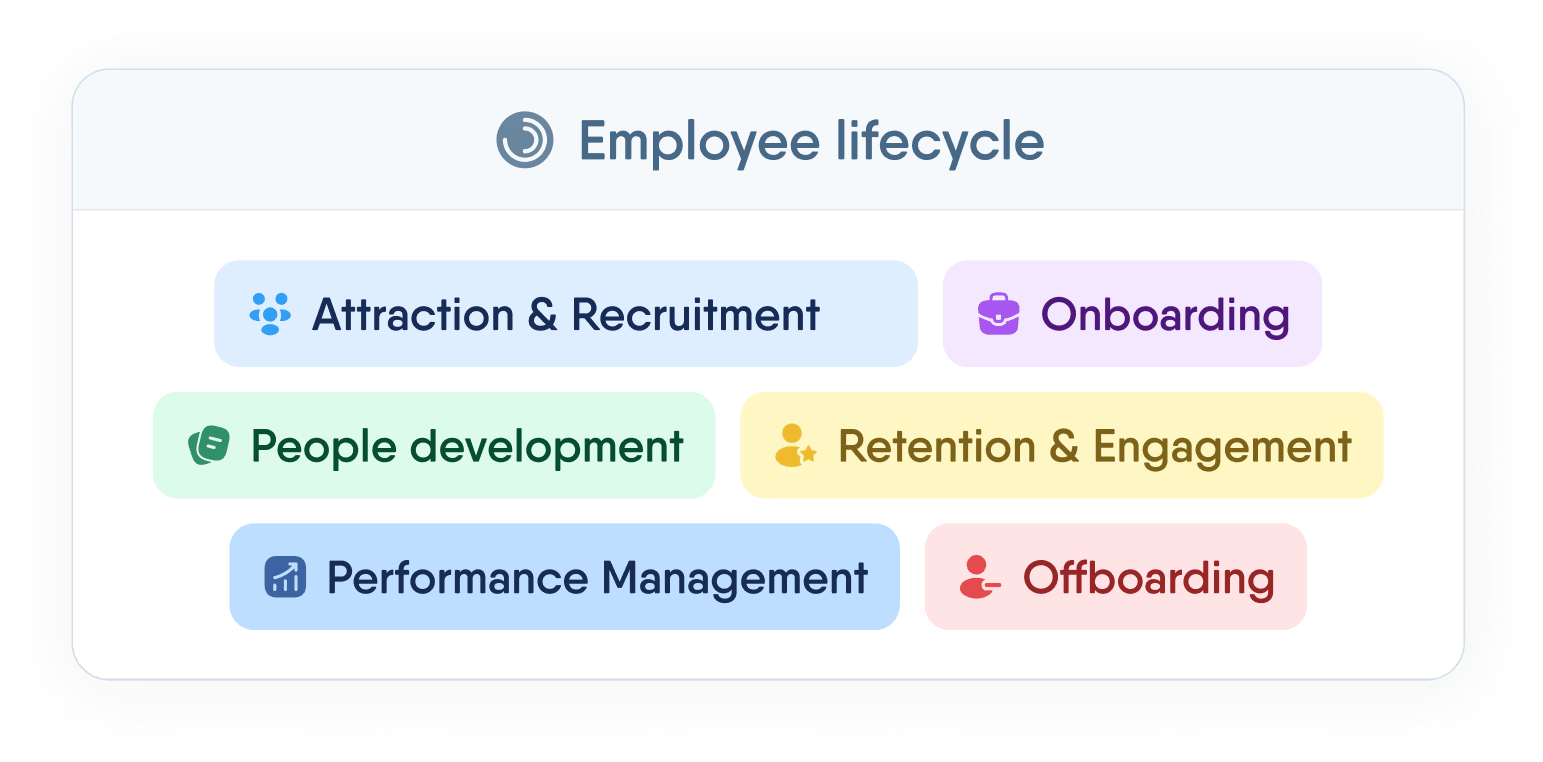
Manage the full employee lifecycle — from first interview to final offboarding — without switching tabs or losing data.
Recent articles
 2026-11-12
Reference check: how to verify a candidate and what to ask
What a reference check is, when to run it, how to get candidate consent, which questions to ask referees and how to read their answers.
2026-11-12Types of organizational charts: vertical, horizontal, matrix and circular, with examples
Which org chart types exist, what each one looks like, when to use it and how to build yours so it does not go out of date.
2026-11-10Workplace climate: what it is, types, how to measure it and what to do next
What workplace climate means, the main types and dimensions, sample climate survey questions and how to turn the results into an action plan.