
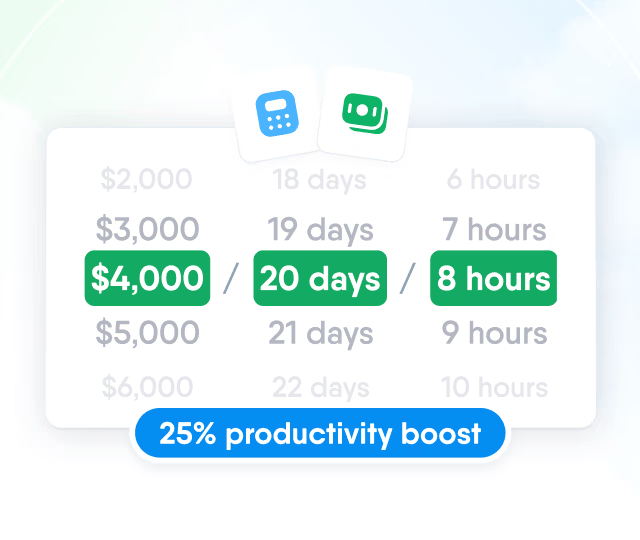
HR efficiency estimator
How does the HR efficiency estimator from PeopleForce work.
Calculate your impact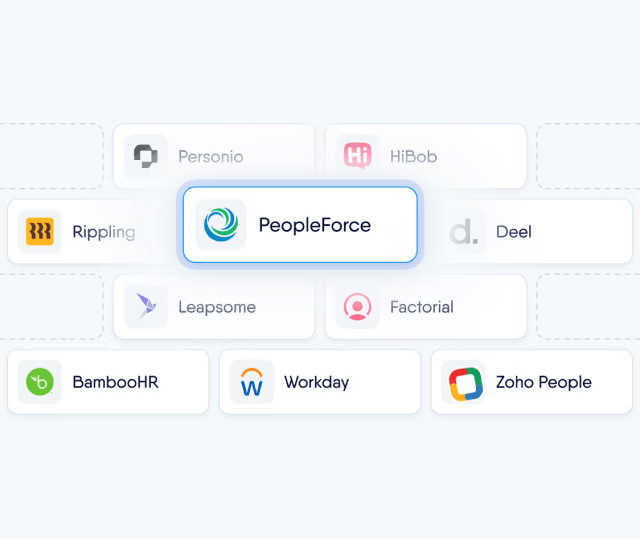



Core HR
The foundational layer of HR software: employee records, org structure, employment history, documents and absences that every other HR process reads from.
Core HR is the foundational layer of a company's HR system: the employee record, the organizational structure, employment history, documents and absences. Everything else in HR reads from it. Recruitment hands over a hire to it, payroll draws contract and absence data from it, performance reviews pull the reporting lines from it. When people describe an HR platform as their "single source of truth", core HR is the part they are actually describing.
What belongs to core HR
The boundaries vary between vendors, but the core layer almost always holds:
- Employee records. Personal and job data in a structured employee database rather than in scattered spreadsheets, with custom fields for what your company actually tracks.
- Organizational structure. Departments, locations, reporting lines and the organizational chart that everyone else in the company reads.
- Employment history. Position changes, employment type, probation, working pattern and contract dates, each stored with an effective date so history stays intact.
- Documents. Contracts, annexes and policies attached to the person, with signatures and access rules.
- Absences. Policies, balances and approvals, which is where time off tracking connects to everything else.
- Access and permissions. Who can see which fields, which is what makes data protection workable in practice.
Core HR, HRIS, HRMS and HCM
These terms overlap and vendors use them loosely. A human resource information system is usually described as the system that stores and manages that core data. A human resources management system adds operational modules such as payroll and time. Human capital management is the broadest framing, covering talent, performance and workforce strategy on top. Core HR is not a fourth category but the shared base underneath all three, which is why a weak core makes every module above it unreliable.
Why the core layer decides everything above it
Every metric a people team reports depends on the core record being right. Headcount, turnover, tenure and cost per department are all derived from employment dates, departments and statuses. If a termination is entered a month late or a department change is never recorded, HR analytics produces confident numbers that are quietly wrong. The same applies to payroll, where an unrecorded absence or a stale contract date turns into a real payment error.
Signs your core HR needs work
A few symptoms show up in almost every company before the core layer gets fixed. Two teams quote different employee counts for the same month. Someone maintains a private spreadsheet because the system does not hold a field they need. A manager asks HR for an org chart instead of opening one. Employment changes live in email approvals rather than on the record, so nobody can reconstruct who approved what. Each of these is a data problem, not a reporting problem, and reports cannot fix it.
Core HR in PeopleForce
The core layer in PeopleForce sits in PeopleHR: employee profiles with custom fields, position and employment status changes stored with effective dates so the full job history is preserved, a live employee directory and org chart, documents with electronic signature, and leave tracking with its own policies and balances. Because recruiting, performance and surveys run on the same record, HR analytics reports from one dataset instead of a merged export.


Let us show you what's possible
From Core HR to advanced workforce analytics — see the platform saving 80 hours a month for teams just like yours. Fully tailored to your workflow.