
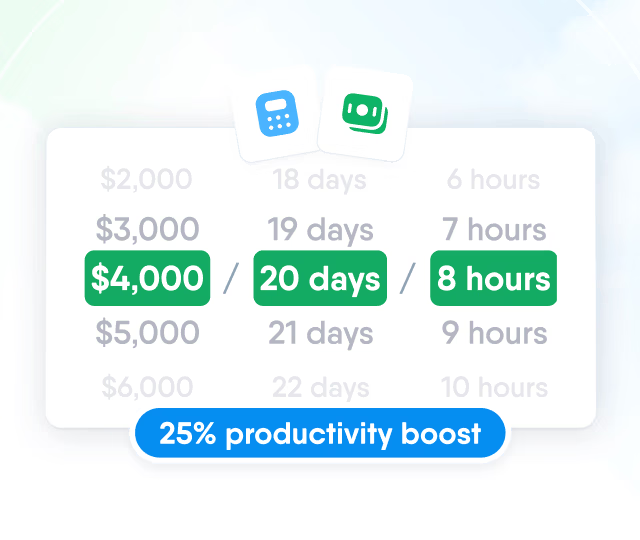
HR efficiency estimator
How does the HR efficiency estimator from PeopleForce work.
Calculate your impact



New starter checklist: documents and checks for every new hire in the UK

A new starter checklist is the list of documents and checks an employer completes before and after a new hire's first day. In the UK, four items are legal duties with deadlines: a right to work check before work starts, a written statement of employment particulars on or before day one, registering the new starter with HMRC on or before their first payday, and an assessment for pension auto-enrolment. Everything else, from IT access to the induction, decides how quickly the person settles in.
New starter checklist at a glance
| Step | Deadline | Source |
|---|---|---|
| Right to work check | Before the first day of work | Home Office right to work scheme |
| Principal written statement | On or before the first day | Employment Rights Act 1996, section 1 |
| Wider written statement (pensions, collective agreements) | Within 2 months of the start date | Employment Rights Act 1996 |
| P45 or HMRC starter checklist | Before the first payday | HMRC |
| New starter reported in a Full Payment Submission | On or before the first payday | HMRC, PAYE |
| Pension assessment and letter to the employee | Within 6 weeks of the start date | The Pensions Regulator |
| Induction, policies, equipment | First day and first week | Company practice |
Right to work check
Every UK employer must check that a new hire has the right to work in the UK before their employment starts. There are three ways to do it: a manual check of original documents in the person's presence, an online check with the share code the person generates, or a digital identity check through a certified provider for valid British and Irish passports. Keep a dated copy of the evidence for the whole employment and for two years after it ends.
Since 13 February 2024, the civil penalty for employing someone without the right to work is up to £45,000 per worker for a first breach and up to £60,000 for repeat breaches. A check done correctly before the first day gives the employer a statutory excuse against the penalty. The Home Office sets out the rules in its code of practice on preventing illegal working.
Other pre-employment checks depend on the role: reference checks for most hires, and DBS checks where the role requires them, for example a standard or enhanced check for work with children or vulnerable adults.
Written statement of employment particulars
The written statement sets out the main terms of employment. Employees and workers must receive the principal statement on or before their first day under section 1 of the Employment Rights Act 1996. It covers, among other things, the employer's and employee's names, job title, start date, pay and how often it is paid, working hours and days, holiday entitlement, place of work and any probation period. Information on sick pay, other paid leave and notice periods must also be given on day one, in the principal statement or in a separate document.
Details on pensions and collective agreements can follow within two months. A written contract that covers every required particular and is handed over by day one meets the requirement. Acas lists each item in its guide to what the written statement must include, and contract types are covered in our article on employment contracts.
Payroll set-up with HMRC
Before the first payday, ask the new starter for the P45 from their previous employer. If they do not have one, they complete HMRC's starter checklist, which replaced the old P46 form. The answers determine the tax code and starter declaration and show whether the person repays a student loan. Keep the completed checklist for the current and the next three tax years.
Register the new starter with HMRC by including their details in a Full Payment Submission (FPS) on or before their first payday. If this is your first employee, register as an employer first to get a PAYE reference. HMRC explains each step in its guide to telling HMRC about a new employee.
Workplace pension auto-enrolment
Assess every new starter for automatic enrolment from their first day. Staff aged 22 up to State Pension age who earn at least £10,000 a year (£833 a month or £192 a week) must be put into a pension scheme suitable for automatic enrolment, and both the employer and the employee pay into it.
Write to each new starter within six weeks to explain how automatic enrolment applies to them, including people you do not enrol. Postponing the assessment for up to three months is allowed, but the postponement notice also has to go out within six weeks. The Pensions Regulator describes the duties for employers.
First day and first week
Health and safety induction: fire exits, first aid, accident reporting and any risks specific to the role.
Policies: staff handbook, disciplinary and grievance procedures, and a privacy notice on how you process the employee's personal data under UK GDPR.
Equipment and access: laptop, email, building pass and accounts in every system the role needs.
Introductions: a first one-to-one with the manager and a buddy for the first weeks.
Goals: a 30-60-90 day plan and a date for the end of probation.
Common new starter mistakes
The right to work check happens on or after the first day, so the employer has no statutory excuse.
The written statement arrives after day one or leaves out holiday, sick pay or notice terms.
The new starter is missing from the first FPS, so HMRC has no record of the employment.
No pension letter goes out within six weeks.
Copies of right to work documents are not kept on file.
New starter checklist in PeopleForce
In Core HR, the contract and other new starter documents are generated from templates that pull data from the employee profile: name, job title, department, start date and pay. Documents are signed online with e-signature, and the date of signature is recorded.
The whole checklist can run as an onboarding workflow: once the candidate accepts the offer in Recruit, their data moves to the employee profile, documents are generated at the right step, and the people responsible get tasks for checks, accounts and the first-day set-up.
Frequently asked questions
What is the HMRC starter checklist?
The starter checklist is an HMRC form a new employee completes when they do not have a P45 from a previous job. The employer uses it to work out the tax code for the first payday and keeps it on file; it is not sent to HMRC.
When must a right to work check be done?
Before the person starts work. A check done on or after the first day does not give the employer a statutory excuse against a civil penalty.
Is a written statement the same as an employment contract?
No. The written statement records the main terms of employment. A written contract can serve as the statement if it includes every required particular and is given on or before the first day.
Does every new starter have to join a workplace pension?
Every new starter has to be assessed, and staff aged 22 up to State Pension age earning at least £10,000 a year must be enrolled. The employer writes to all new starters within six weeks, whether or not they are enrolled.
What should a new employee bring on the first day?
Right to work documents if they were not checked online, a P45 or completed starter checklist, bank details and a National Insurance number.
The PeopleForce editorial team creates and refines content on people management, recruiting, team development and HR technology. Every article goes through an editorial review for accuracy, relevance and clarity. We rely on verified sources, industry research, hands-on experience and PeopleForce’s own analytics, including anonymized data, to give HR professionals, managers and business owners useful, reliable information.


One login. Every HR tool you'll need.
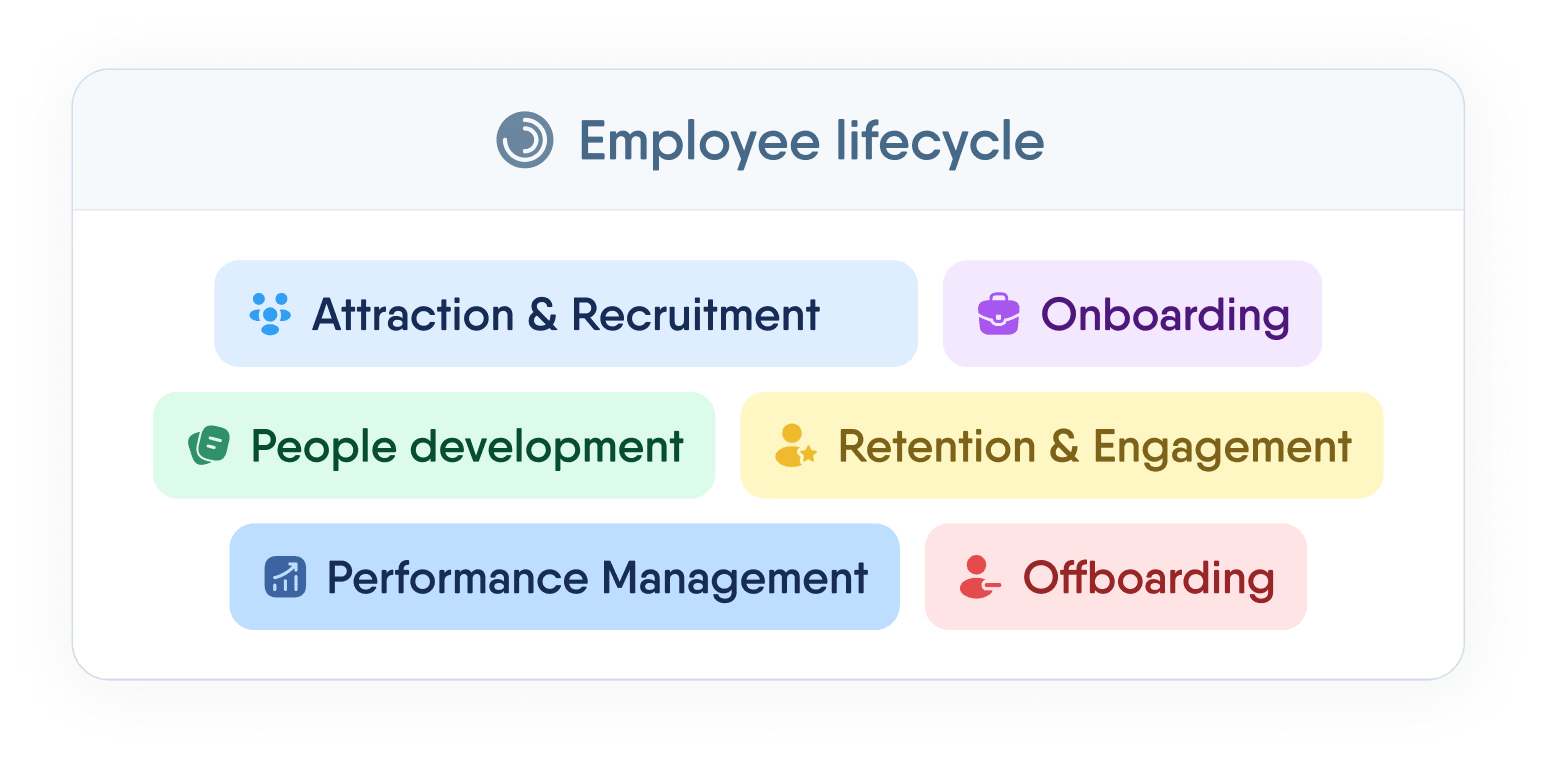
Manage the full employee lifecycle — from first interview to final offboarding — without switching tabs or losing data.
Recent articles
 2026-11-24
Irregular working hours: who qualifies, how to set them up and how to compensate
What irregular working hours are, which roles they apply to, how to set them up and compensate them, and how they differ from overtime.
2026-11-20Connecting Claude or ChatGPT to your HR data in PeopleForce
How HR teams and managers connect Claude or ChatGPT to PeopleForce over MCP, five tasks it handles today, and what the assistant cannot see.
2026-11-19Employment contract: types, essential terms and how to put one in place
Types of employment contracts, essential terms, probation, how to sign a contract and how it differs from a contractor agreement, in Ukraine and the UK.