
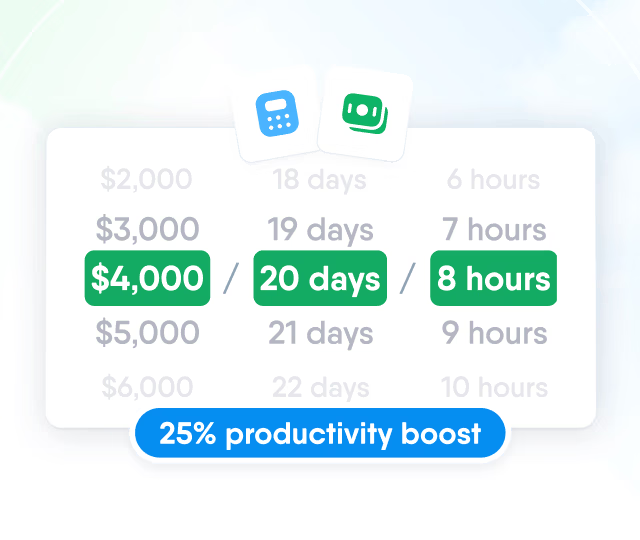
HR efficiency estimator
How does the HR efficiency estimator from PeopleForce work.
Calculate your impact



What is HR: functions and areas of responsibility

HR (human resources) is people management: everything a company does to find people, hire them, keep them, develop them and part ways properly when the relationship ends. The HR function owns the whole employee journey, from vacancy to exit. In a small team one person covers it; in a large company it is a department with several roles.
HR functions
Eight areas that HR covers in most companies. In a small team they all sit with one person; in a large one, each can be a separate role.
| Function | What it covers | Outcome for the business |
|---|---|---|
| Hiring | Job profile, vacancies, interviews, offer | Roles filled on time and within budget |
| Onboarding | Paperwork, first day, probation plan | New hires reach full productivity sooner |
| HR administration | Contracts, employee records, leave and time tracking | Records in order, no compliance surprises |
| Compensation and benefits | Salary bands, pay reviews, bonuses, benefits | Pay that is competitive and easy to explain |
| Performance and development | Goals, performance reviews, training, career plans | People grow inside the company |
| Engagement and culture | Surveys, internal communication, recognition | Fewer voluntary resignations |
| Offboarding | Paperwork, handover, exit interview | Clean, conflict-free endings |
| HR analytics | Turnover, time to hire, people costs | Decisions backed by data |
HR processes deserve a separate mention: they are the rules all eight functions run on. Who approves a vacancy, who signs a contract, how quickly final pay is issued. Once processes are written down, the HR function no longer depends on a single person.
Roles in an HR team
HR manager or HR generalist. Covers every area at once. A typical first HR hire in a company of 20-80 people.
Recruiter. Owns hiring: sourcing, interviews, candidate communication.
HR administrator. Contracts, employee records, statutory reporting. In Ukraine, personnel record-keeping is mandatory for every employer; in the UK, HR also runs right-to-work checks before anyone starts.
Compensation and benefits specialist. Salary bands, pay reviews, bonus schemes, benefits.
Learning and development specialist. Training programmes, competency assessment, development plans.
HR business partner. Works with the heads of specific units and turns their business goals into HR decisions.
HR director. Owns the HR strategy and sits on the leadership team.
Two of these roles have their own glossary entries: HR generalist and HR business partner. For how hiring responsibilities are split, see our article on hiring managers and recruiters.
What an HR manager does
A job description lists duties but does not show what the week looks like. In a 60-person company it might go like this:
Monday: sync with managers on open roles, CV screening, two interviews;
Tuesday: onboarding a new hire, contract, policy acknowledgements, a plan for the first month;
Wednesday: leave requests, sick notes, timesheet corrections;
Thursday: a meeting with a team lead whose team turnover went up, preparing a survey;
Friday: a monthly hiring and leavers report for the director, planning the performance review cycle.
The pattern is clear: an HR manager constantly switches between operations (documents, requests, timesheets) and work that moves the business (hiring, retention, development). The more time the first takes, the less is left for the second.
Skills an HR manager needs
Employment law. Deadlines, leave types, hiring and dismissal rules. In the UK, CIPD is the professional body most HR specialists rely on for standards and qualifications. A mistake in a document costs more than an hour spent checking it.
Communication. Conversations with candidates, with managers, difficult conversations about dismissal.
Working with data. Calculating turnover, time to fill and average pay, and explaining what follows from them.
Business understanding. Knowing how the company makes money and which roles are critical.
Confidentiality. HR sees salaries, medical notes and reasons for leaving, and that information stays in the department.
How the HR function changes as a company grows
Up to 20 people. No dedicated HR. The founder hires, an accountant or an outsourced provider handles paperwork.
20-80 people. The first HR manager arrives. The job is to put documents, leave and hiring in order, then launch onboarding and regular check-ins with the team.
80-200 people. Hiring becomes a separate role, and performance reviews, salary bands and the first HR metrics appear.
Over 200 people. A full HR team with business partners, compensation and learning specialists, and an HR director involved in strategic decisions.
Numbers matter more at every stage. With 30 people, problems are visible anyway. With 300, it is hard to notice that one department loses people three times as often without HR analytics.
The HR function in PeopleForce
PeopleForce brings most HR functions into one system. Core HR covers employee profiles, documents with e-signature, leave and sick leave tracking, request forms and automated workflows such as onboarding. Recruit runs hiring from vacancy to offer. Perform handles goals, performance reviews and development plans.
HR analytics reports show turnover, hiring and team structure without stitching spreadsheets together. Employees submit requests and check their leave balances themselves, which frees the HR manager's time for work that moves the business.
Frequently asked questions
What does HR stand for?
HR stands for human resources, meaning people management. The term refers to the function, the department and the people who work in it.
What is the difference between HR and personnel administration?
Personnel administration handles documents: contracts, records, statutory reporting. HR is broader: it includes administration plus hiring, onboarding, performance, development and retention.
When does a company need its first HR manager?
Usually at 20-30 people. At that point the founder can no longer hire alone, and paperwork, leave and onboarding need a system.
What are an HR manager's responsibilities?
Hiring, onboarding new employees, HR documents, leave and sick leave tracking, performance reviews, engagement and offboarding, and HR reporting for leadership.
Which HR metrics should you track?
Start with four: employee turnover, time to fill, the share of people who leave during probation, and engagement levels from surveys.
The PeopleForce editorial team creates and refines content on people management, recruiting, team development and HR technology. Every article goes through an editorial review for accuracy, relevance and clarity. We rely on verified sources, industry research, hands-on experience and PeopleForce’s own analytics, including anonymized data, to give HR professionals, managers and business owners useful, reliable information.


One login. Every HR tool you'll need.
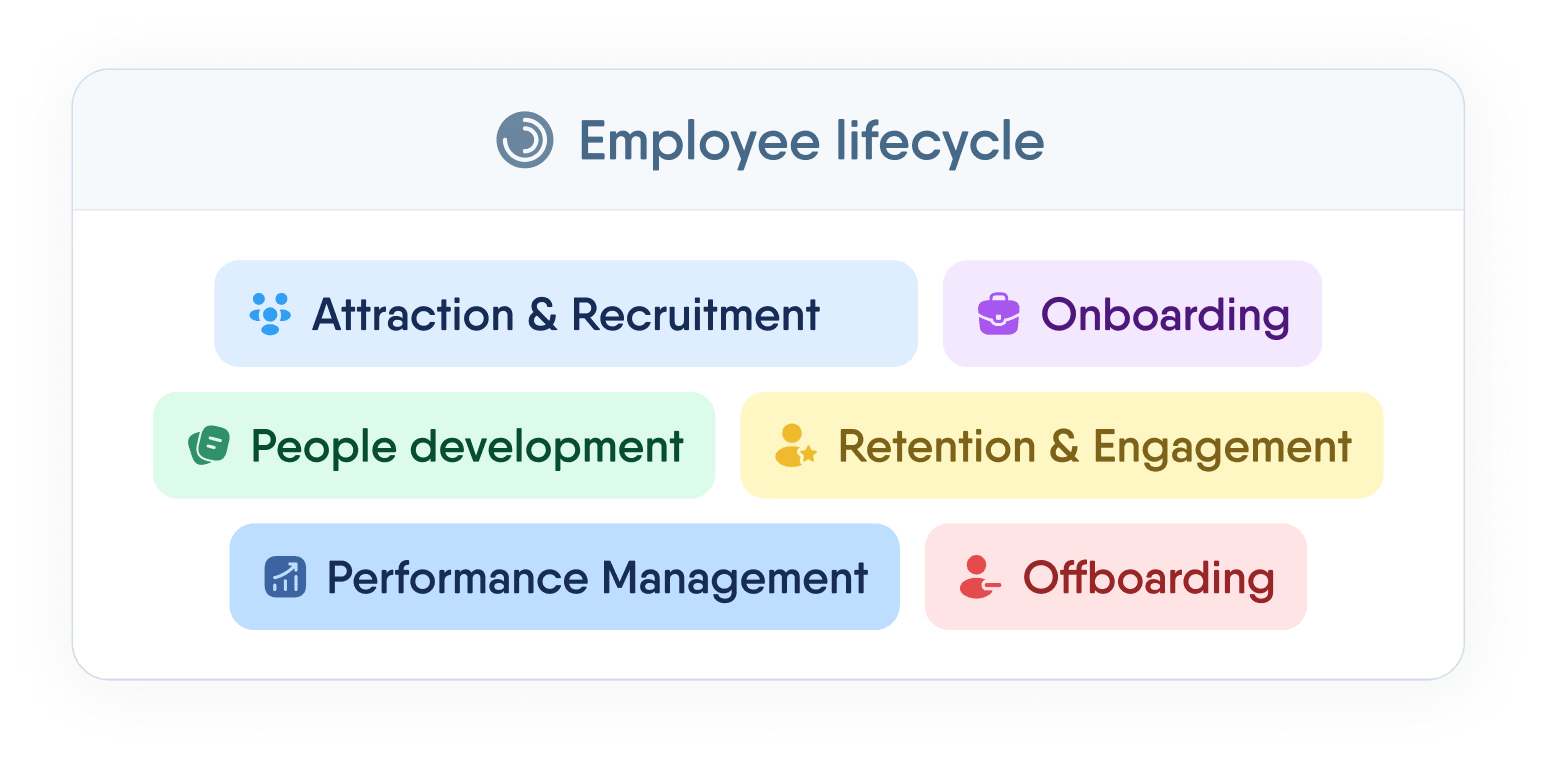
Manage the full employee lifecycle — from first interview to final offboarding — without switching tabs or losing data.
Recent articles
 2026-11-26
New starter checklist: documents and checks for every new hire in the UK
What a UK employer must do before and after a new hire's first day: right to work check, written statement, HMRC registration, pension and induction.
2026-11-24Irregular working hours: who qualifies, how to set them up and how to compensate
What irregular working hours are, which roles they apply to, how to set them up and compensate them, and how they differ from overtime.
2026-11-20Connecting Claude or ChatGPT to your HR data in PeopleForce
How HR teams and managers connect Claude or ChatGPT to PeopleForce over MCP, five tasks it handles today, and what the assistant cannot see.