
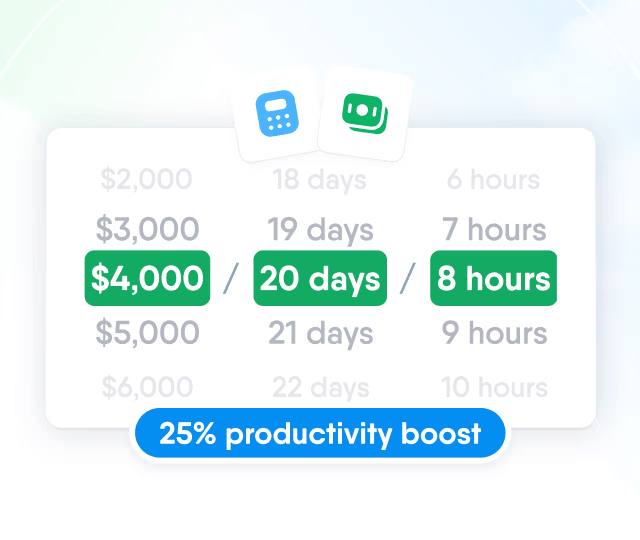
HR efficiency estimator
How does the HR efficiency estimator from PeopleForce work.
Calculate your impact



HR compliance
What HR compliance is, the areas it covers from hiring to termination and data protection, why it is hard to get right, how to build a compliance program and how HR software makes the compliant path the default
HR compliance is the practice of making sure that everything a company does with its people, from hiring and contracts to pay, leave, safety, data and termination, follows the labor laws, regulations and collective agreements that apply to it, as well as its own internal policies. It is not a one-time audit but a running discipline: laws change, the company grows into new thresholds and jurisdictions, and every new hire, promotion or dismissal is a moment where a rule can be followed or broken. The cost of getting it wrong ranges from fines and back pay to reinstatement orders, personal liability for directors and reputational damage that outlasts the case itself.
Main areas of HR compliance
- Hiring and onboarding. Non-discriminatory job ads and selection, lawful background checks, right-to-work verification, written employment contracts or statements of terms, registration of the employee with tax and social security authorities before day one.
- Pay and working time. Minimum wage, overtime rules, equal pay and pay transparency, correct classification of employees versus contractors, working time records, rest periods and payroll filings.
- Leave and benefits. Statutory annual leave, sick leave, parental leave and the accrual, carryover and payout rules that go with them; mandatory insurance and benefit contributions.
- Health and safety. Risk assessments, training, incident reporting and the duty of care that follows employees to remote workplaces.
- Data protection. Lawful basis for processing employee and candidate data, retention periods, access rights and security, under GDPR and its local equivalents.
- Conduct and equal treatment. Anti-discrimination and anti-harassment policies, whistleblowing channels, disciplinary procedures that follow due process.
- Termination. Valid grounds, notice periods, severance, consultation duties in collective redundancies, final pay and the documents the employee is entitled to receive.
- Records. Keeping personnel files, contracts, orders and consents for the statutory retention period and being able to produce them for an inspection.
Why HR compliance is hard
The rules differ by country and often by company size: an employer with 50 people faces obligations on whistleblowing, works councils or reporting that one with 20 does not. They change frequently, and the changes rarely arrive with a reminder. Many obligations are triggered by dates, such as the end of a probation period, the expiry of a fixed-term contract, a certificate that lapses or a leave balance that must be used by a deadline, and dates are exactly what spreadsheets and inboxes lose track of. Responsibility is also split: HR owns the process, managers make the decisions that create the risk, finance runs payroll, and legal is called when something has already gone wrong. A compliance program that works is one where the process itself makes the compliant path the easy one, rather than relying on every manager remembering the rule.
How to build an HR compliance program
Start with a compliance calendar of every recurring and date-triggered obligation for each jurisdiction you employ people in, and assign an owner to each item. Write the policies that the law requires you to have and put them in the employee handbook with signed acknowledgements. Standardize documents through templates so that a contract, order or termination letter cannot leave out a mandatory clause. Train managers on the decisions that carry legal risk: hiring, discipline, leave refusals, dismissals. Run a periodic HR audit that samples files and checks whether the process on paper is the process in practice. Keep documents in one system with access controls and retention rules rather than in shared drives and email. Finally, track a few indicators: overdue items on the calendar, missing signatures, contracts past their end date and audit findings closed on time.
HR compliance in PeopleForce
PeopleForce Core HR turns most compliance duties into system behavior rather than memory. Document templates with employee, position and legal entity variables generate contracts, addenda, orders and notices that always contain the required fields, and electronic signature, including qualified signatures where the law demands them, produces a signed, timestamped record stored on the employee profile with role-based access. Automatic alerts flag probation end dates, contract expiry, document and certificate expiry, and birthdays that change legal status, so date-driven obligations surface before they are missed. Leave policies encode statutory minimums, accrual and carryover rules and block requests that would breach them; time tracking keeps the working-time records inspectors ask for. In Recruit, candidates receive consent requests for data processing, and retention settings handle personal data of unsuccessful applicants. Termination forms capture the type and reason for every exit and revoke access on the last working day, and HR analytics reports such as the gender pay gap and headcount by legal entity give HR the evidence an audit or a regulator will ask for.


Let us show you what's possible
From Core HR to advanced workforce analytics — see the platform saving 80 hours a month for teams just like yours. Fully tailored to your workflow.